












Ventosa Marks: What to Expect and How to Care for Your Skin
Ventosa, often called dry cupping, uses cups to create suction on the skin. People may search for ventosa because they have seen circular marks after a session or are considering trying the practice. Those marks can look dramatic, but their appearance alone does not explain whether a session was appropriate or what effect it had. A careful conversation before treatment is more useful than guessing from color or shape.
This guide explains what ventosa marks can and cannot tell you, how to approach basic aftercare, and what to ask before booking. It is educational information, not a diagnosis or a promise that cupping will treat a condition. If you are looking for a broader introduction to massage choices, start with Wellnessville’s guide to common massage techniques and its review of massage myths and facts.
What ventosa marks mean
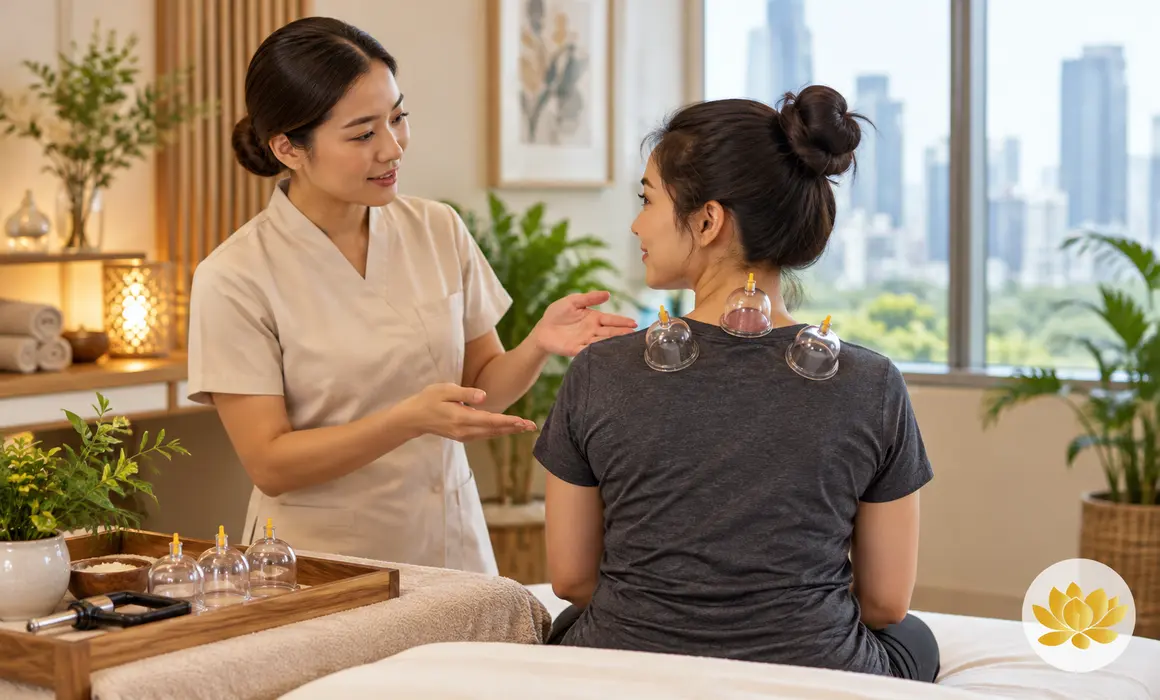
Dry cupping creates suction over a selected area. That suction can leave temporary circular discoloration where the cups were placed. The marks may vary from one person to another and from one session to another. Skin sensitivity, suction strength, how long a cup stays in place, and the body area can all affect how the skin looks afterward. A darker mark does not prove that a practitioner found a toxin, a blockage, or a particular illness. It is not a medical test, and a practitioner should not present it as one.
The U.S. National Center for Complementary and Integrative Health notes that cupping can leave temporary skin marks and that research on cupping is limited, with most studies being low quality. Its summary says the evidence is not strong enough to make broad claims about benefits. You can read the agency’s cupping overview before deciding whether the practice fits your preferences. A responsible practitioner should be comfortable explaining the limits of what a session can establish.
What may be noticeable after a session
After ventosa, you may notice round marks, mild tenderness, or a temporary sense of warmth in the area. The appearance is not a score of treatment quality. More suction or longer cup placement is not automatically better. Ask the practitioner what sensations are expected during the appointment and what changes should prompt you to stop. You should be able to ask for lower suction, fewer cups, a different location, or an end to the session at any time.
Do not pick at, scrub, or aggressively massage skin that feels irritated. Keep the area clean and follow any practical aftercare directions provided by the practitioner. If the skin is blistered, broken, increasingly painful, unusually hot, or showing signs of infection, contact a qualified health professional. People with a medical condition or a skin concern should ask a clinician whether cupping is appropriate before scheduling. A spa appointment should not replace medical evaluation when symptoms need attention.
Before you book a ventosa session
Ask what type of cupping is offered. This article focuses on dry cupping, where the skin is not pierced. Wet cupping is different because it involves breaking the skin and requires additional infection-control precautions. Confirm which method is used, what equipment touches the skin, and how reusable items are cleaned or sterilized. If the business cannot explain its process in plain language, consider choosing another provider.
Discuss your comfort, relevant health information, skin sensitivity, and any areas you do not want treated. You do not need to share private details with an unqualified person, but a practitioner should invite you to disclose information that could change how a service is performed. A professional should explain the plan before starting and check in during the session. For other ways to prepare for an appointment, see Wellnessville’s first massage appointment guide and its practical notes on what first-time clients can expect.
Questions worth asking the practitioner
Ask how the practitioner learned the technique, how long the session lasts, which areas may be treated, and what sensations are normal. Ask whether cups are applied while stationary or moved, and what happens if you want them removed. A clear answer should describe the service without using fear, pressure, or claims that a mark reveals hidden disease. If the practitioner promises to cure a condition, diagnose you from the marks, or insists that pain proves the treatment is working, pause and seek a second opinion.
Also ask about the full price, any add-on costs, cancellation terms, and whether the service is offered at a spa, hotel, or home. These details help you compare options without relying on vague advertising. Wellnessville’s spa hygiene checklist and guide to massage prices, tipping, and cancellation cover practical questions you can use for many types of appointments.
How to think about benefits and limits
Some clients choose ventosa because they like the sensation, cultural tradition, or a practitioner’s explanation of the method. Personal preference matters, but it is different from scientific evidence. Do not assume that cupping will remove toxins, improve circulation in a medically meaningful way, or correct an underlying health problem. Evidence for specific outcomes varies, and a spa service should not be marketed as a substitute for care from a licensed health professional.
If you are seeking help for ongoing pain or another symptom, discuss options with a clinician who can evaluate your situation. You can still ask whether a complementary service is compatible with your care, but keep the roles clear. A massage provider can describe the service they offer; they should not diagnose, prescribe medication, or discourage you from getting appropriate medical help. This distinction also applies to other modalities such as traditional hilot massage or hot stone massage.
Aftercare and when to seek advice
Keep aftercare simple: give your skin time, avoid anything that causes irritation, and monitor how you feel. If marks bother you, tell the provider before another session and request a gentler approach or a different service. If you are concerned about an unexpected reaction, contact a health professional rather than asking a spa to interpret a symptom. Photos may help you explain what changed, but they do not replace an examination.
Before your next appointment, consider what went well and what you would change. Were you told what to expect? Could you adjust the pressure? Was the room clean and the plan clear? Your answers can guide a better conversation with a future provider. Wellnessville’s guide to evaluating a legitimate massage spa offers another way to assess professionalism and clear service expectations.
A practical decision checklist
Before you commit, make sure you understand the service name, method, practitioner’s training, hygiene steps, price, and cancellation policy. Decide what body areas are acceptable and what would make you stop. You should not have to accept more suction, more cups, or a longer appointment than you agreed to. Consent is ongoing, and a client can change their mind after the session begins.
Afterward, follow simple skin-care guidance and seek medical advice for concerning symptoms. Most of all, treat ventosa as one optional wellness practice rather than a diagnostic tool. Good information, realistic expectations, and your ability to say no are more valuable than a dramatic mark or a persuasive sales pitch.
Frequently Asked Questions
Can I schedule ventosa before a beach trip?
Ask the practitioner or a health professional about timing, especially if visible marks would bother you. There is no single schedule that suits everyone.
Will health insurance reimburse a ventosa appointment?
Coverage depends on your insurer, plan, provider credentials, and how the service is billed. Contact your insurer before booking and request a written estimate.
Can teenagers receive dry cupping?
Age policies vary. A parent or guardian should consult a qualified clinician and confirm the provider’s policies before arranging any complementary service for a minor.
Can ventosa be combined with a sauna visit?
Ask the practitioner and, if you have health concerns, your clinician. Heat exposure and skin sensitivity differ between people, so a provider should review your situation.
How can I cover cupping marks for a formal event?
Ask a dermatologist or qualified skin-care professional about safe cosmetic options for your skin. Avoid applying products to broken or irritated skin.