





















First-Time Massage Experience: What to Expect and How to Prepare
Understanding the Benefits of Massage
Massage therapy has become an essential component of holistic health care, offering a wide array of benefits that extend beyond mere relaxation. This form of therapy engages various techniques to alleviate physical, mental, and emotional stress. One of the primary advantages of the massage experience is its ability to significantly reduce stress. Regular sessions can activate the body’s relaxation response, leading to decreased levels of cortisol, the hormone associated with stress. Through various strokes and pressures, massage therapy encourages a state of calmness, which is vitally important in today’s fast-paced world.
Moreover, massage is particularly effective in relieving muscle tension. Many individuals experience tightness or discomfort in specific muscle groups due to physical exertion or poor posture. Massage therapy can target these areas, promoting relaxation and helping to break the cycle of tension and discomfort. Techniques such as deep tissue or sports massage focus on deeper layers of muscle, aiding in the recovery from strenuous activity and reducing soreness.
Another notable benefit is the improvement of circulation. As pressure is applied to muscles during a massage, the blood vessels expand, increasing blood flow to the specific areas being treated. Enhanced circulation facilitates the delivery of oxygen and nutrients to tissues while also helping to flush out toxins, elevating overall physical well-being. Furthermore, certain types of massage, such as aromatherapy massage, integrate essential oils known for their healing properties, further supporting emotional and mental health.
Different types of massage offer unique benefits catering to diverse needs. For instance, Swedish massage promotes total relaxation, while trigger point therapy focuses on specific knots in the muscles. Each technique not only enriches the massage experience but also contributes to comprehensive well-being, emphasizing that massage therapy is more than just a luxury—it’s a valuable investment in one’s health.
Types of Massage: Which One Is Right for You?
When embarking on your first massage experience, understanding the different types of massage therapy available can significantly enhance your overall satisfaction. Each massage type utilizes specific techniques and caters to unique needs, making it essential to identify which one aligns with your personal preferences.
Swedish massage is perhaps the most commonly requested style. This form employs long, gliding strokes, kneading, and gentle circular movements to promote relaxation and improve circulation. It is ideal for those seeking to unwind and relieve everyday stress. If relaxation is your primary goal, this massage therapy is a perfect choice.
On the other hand, deep tissue massage focuses on the deeper layers of muscle and connective tissue. This technique is particularly beneficial for individuals with chronic pain or muscle tension, as it utilizes firmer pressure and slower strokes. If you have specific areas of discomfort or tightness, deep tissue massage can offer significant relief and better mobility.
Hot stone massage involves the use of heated stones placed on specific points of the body. This technique complements traditional massage methods, promoting muscle relaxation and increased blood flow. It is particularly effective for those with tense muscles and is ideal if you seek a soothing and warming sensation during your massage experience.
Aromatherapy massage combines essential oils with traditional techniques to enhance physical and emotional healing. The talented therapist customizes the oils based on your needs, offering benefits that can vary from stress relief to improved mood. If you appreciate scents and wish to engage your senses, aromatherapy may be the perfect option.
Lastly, sports massage is tailored specifically for athletes. It focuses on the prevention and treatment of injuries, enhancing athletic performance through techniques that address muscle tension and promote flexibility. This type of massage therapy is beneficial for both active individuals and those engaging in physical activities regularly.
By understanding these various massage options, you can confidently choose a type that will best serve your individual needs, ensuring an enriching massage experience that meets your expectations.
Finding the Right Massage Therapist
Embarking on your first massage experience can be both exciting and daunting. One of the most crucial steps in ensuring a positive experience is finding a qualified and reputable massage therapist. Start by researching local therapists and considering their credentials. Most massage therapists are required to have specific certifications or licenses, which can vary by state or country. Ensure that the therapist possesses valid credentials reflective of recognized training in massage therapy.
Additionally, the importance of reading reviews cannot be overstated. Many clients share their experiences online, offering insights into the therapist’s approach, professionalism, and effectiveness. Platforms such as Google, Yelp, or specialized wellness sites can provide valuable information. Look for patterns in the reviews; consistent positive feedback about the therapist’s skill and demeanor is a good sign. Conversely, mixed reviews warrant further investigation.
Seeking recommendations from friends, family, or healthcare professionals can also guide you toward reputable practitioners. Personal referrals are often reliable and can lead you to therapists who have provided satisfactory services to those you trust.
Once you have narrowed down your options, consider scheduling an initial consultation. Use this opportunity to ask pertinent questions that can help you determine if the therapist is a good fit for your needs. Inquire about their areas of expertise, specific techniques they employ, and whether they will tailor the massage experience to your individual preferences and concerns. Understanding their approach to massage therapy can enhance your comfort level and assurance in their abilities.
Ultimately, taking these steps to find the right massage therapist can help lay a foundation for a rewarding massage experience that prioritizes your well-being and relaxation.
Preparing for Your First Massage Appointment
Preparing for your first massage experience is crucial to ensure that you gain the maximum benefits from the session while feeling comfortable and relaxed. One of the key aspects to consider is your choice of attire. It is advisable to wear clothing that allows for ease of movement. Loose-fitting garments such as yoga pants or a comfortable t-shirt are ideal. Many massage facilities provide the option for you to undress to your level of comfort, but remember that a therapist is trained to handle such situations with professionalism and respect.
When heading to your appointment, it is beneficial to bring a few items with you. Consider bringing your own water bottle to stay hydrated before and after the massage therapy session. Additionally, if you have any specific oils, lotions, or tools recommended by your therapist for particular conditions, make sure to bring those along. Furthermore, if you have any medical conditions or concerns that may influence your massage experience, it is vital to communicate these to your therapist well in advance.
Another important tip is to arrive early to your appointment. This will not only give you a chance to fill out any necessary paperwork but also allow you to acclimate to the environment. Take a few moments to relax and adjust to the soothing atmosphere that many spas and wellness centers provide. Additionally, it cannot be overstated how vital personal hygiene is in this context. A quick shower before your appointment shows respect for yourself and your therapist, creating a more pleasant massage experience for both parties involved.
What to Expect During the Massage Session
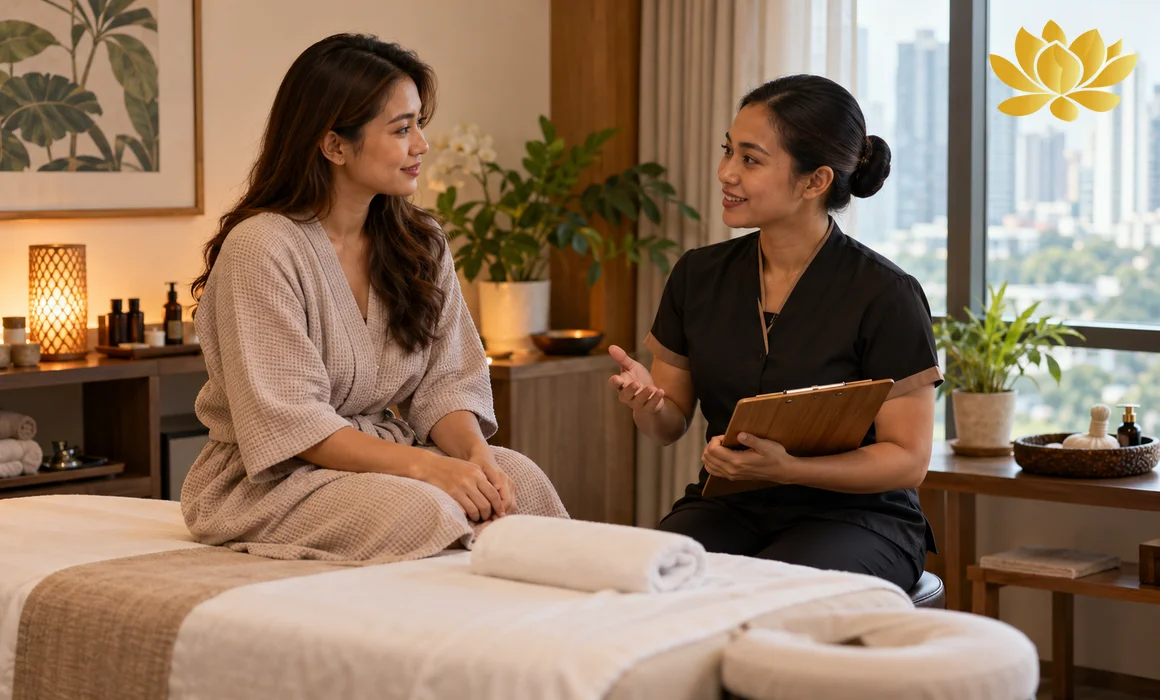
When embarking on your first-time massage experience, it is essential to understand the flow of a typical massage therapy appointment. The session typically commences with a consultation, allowing the therapist to gather information about your health history, any specific areas of concern, and your objectives for the massage. This step is crucial as it helps tailor the massage to meet your individual needs, ensuring a more effective and enjoyable experience.
Following the consultation, you will be guided to a private room where you can undress to a comfortable level. Many clients opt to remove all clothing, while others may choose to remain in undergarments. Regardless of your choice, it is essential to communicate your comfort level to the therapist beforehand. They will provide draping techniques using soft linens or towels to cover areas of the body that are not being massaged, which helps maintain your privacy and promotes relaxation.
As the massage therapy session proceeds, you may experience a variety of techniques employed by the therapist, such as kneading, stroking, or applying pressure to specific muscle groups. These techniques aim to relieve tension, alleviate pain, and enhance overall well-being. It is important to remember that communication is key throughout the massage. Should you feel any discomfort with pressure or technique, do not hesitate to inform your therapist. Adjustments can be made to ensure that your massage experience is both pleasurable and therapeutic.
Ultimately, the goal of your first massage session is to foster a sense of relaxation and relief. By being open about your comfort and preferences, you can maximize the benefits of the session, paving the way for a positive association with massage therapy moving forward.
Addressing Common Concerns and Misconceptions
When considering a first-time massage experience, many individuals may have concerns or misconceptions that could deter them from benefiting from massage therapy. Common inquiries often relate to modesty, comfort levels, and the perceived intensity of the treatment. It is essential to address these issues to facilitate a relaxed and enjoyable therapy session.
One prevalent concern is the level of nudity involved in a massage. It is important to understand that draping is a standard practice in the industry. Draping involves covering the body with towels or sheets to maintain your modesty during the session. Therapists are trained to ensure that only the area being worked on is exposed, which helps to foster a sense of security. By informing clients of this procedure ahead of time, massage therapists aim to minimize any anxiety related to nudity.
Another common misconception is the assumption that massages are always painful. While certain techniques can produce sensations that might be uncomfortable, a professional therapist will prioritize the client’s comfort throughout the process. It is vital that clients communicate openly about their preferences, pain levels, and any existing sensitivities. This two-way communication ensures that the massage experience is tailored to individual needs, enhancing the overall efficacy of the therapy.
Additionally, feeling vulnerable during a massage is a normal reaction, especially for first-time clients. Understanding that the massage therapist is a trained professional can alleviate some anxiety. They will always maintain a respectful environment, encouraging clients to express any discomfort or need for adjustments. By addressing these common concerns, clients can approach their first massage with greater confidence and an open mind, making the most of the therapeutic benefits available to them.
Post-Massage: What to Do and Expect
After your first massage experience, you may encounter a variety of sensations as your body adjusts. Many individuals report feelings of deep relaxation, which is one of the primary benefits of receiving massage therapy. This state of calm is generally due to the release of tension and the positive impact of the massage techniques employed. However, it’s also possible to experience some level of fatigue or soreness, especially if it is your first session or if deeper pressure was applied during the massage. Understanding these potential responses can prepare you for post-massage sensations.
To enhance your recovery from the massage therapy session, taking specific self-care measures is advisable. One important tip is to stay hydrated; drinking plenty of water can help flush out toxins that may have been released during the massage. Hydration is crucial for optimal recovery. Furthermore, engaging in gentle stretching can help to ease any tightness or soreness you may feel afterward. Simple stretches can keep the muscles loose and promote blood circulation, amplifying the benefits of the massage you received.
Rest is another critical aspect of post-massage care. Allowing your body some time to recuperate can greatly enhance the overall massage experience. Take a moment to relax, whether that involves lying down or simply enjoying a peaceful environment. Consider integrating regular massage therapy sessions into your wellness routine; scheduling follow-up massages can be beneficial in reaping prolonged benefits, as ongoing treatments often build upon each other to relieve chronic tension and enhance physical well-being. This consistent approach can ensure that you continue to reap the rewards of your initial massage experience.
Creating a Relaxing Atmosphere at Home
To enhance your massage experience between professional sessions, it is essential to create a calming atmosphere in your own home. The environment plays a significant role in promoting relaxation and reducing stress, making it imperative to set the right mood. Start by selecting a quiet space, free from distractions, where you can unwind comfortably. Dim the lights or use soft lighting to soften the ambiance, creating a serene atmosphere conducive to relaxation.
Incorporating soothing scents can greatly enhance your massage therapy experience at home. Essential oils, such as lavender, chamomile, or eucalyptus, can be used to promote relaxation and relieve tension. You can diffuse these oils in the room, or add a few drops to a warm bath or a warm compress. The aromatic properties of these oils not only offer physical benefits but can also elevate your mental state, allowing you to immerse yourself in a peaceful mindset.
In addition to setting the environment, learning self-massage techniques can significantly improve your wellness routine. Simple techniques can be employed to relieve tension and foster relaxation. For instance, using your fingers to apply gentle pressure on the neck and shoulder areas can alleviate tightness. You might also consider a foam roller or massage ball to target specific muscle groups. Incorporating relaxation exercises such as deep breathing or gentle stretching can further enhance your overall experience, allowing you to fully embrace the calming effects of massage therapy.
Creating a relaxing atmosphere at home not only mimics the tranquil experience of a professional massage but also fosters wellness practices that can easily be integrated into your daily routine. By utilizing these tips and techniques, you can establish a personal sanctuary that supports your well-being between professional treatments.
Conclusion: Embrace the Experience
Embarking on your first massage experience can be an enriching journey towards enhanced well-being and self-care. It is important to recognize that massage therapy is not just a luxury; it is a valuable tool for physical and mental health. Incorporating this practice into your routine can significantly contribute to relaxation, stress relief, and overall wellness.
Being informed and prepared for your massage is crucial in maximizing the benefits. Understanding the different types of massage therapy enables you to select one that aligns with your needs and preferences. This knowledge empowers you to communicate effectively with your massage therapist, ensuring that your experience is tailored to suit your expectations. Remember to discuss any areas of concern, medical conditions, or specific preferences, as this will allow the therapist to focus on what matters most to you.
Moreover, maintaining an open mind and being receptive to the sensations during your session can enhance your massage experience. Each body responds differently to therapy, and allowing yourself to engage in the process will help you derive greater benefits from the treatment. Post-massage, prioritize self-care by staying hydrated and giving yourself time to absorb the therapeutic effects. Ideally, you should consider routine visits to a massage therapist as part of an ongoing commitment to your health.
Please feel free to share your own first massage experience, insights, or queries in the comments. Engaging in conversations regarding massage therapy can benefit both those who are new to the practice and experienced individuals alike. Embrace your journey towards wellness and let it guide you into a more relaxed and balanced life.


