






















Are You Ruining Your Own Massage? The 7 Deadly Client Habits
The phrase “deadly client habits” is dramatic. In real life, most habits do not ruin a massage, and clients do not need to act like experts. However, a few common choices can make a session less comfortable or less tailored to what you want. The good news is that each one has a simple fix: plan a little time, communicate clearly, and treat comfort as more important than trying to impress anyone.
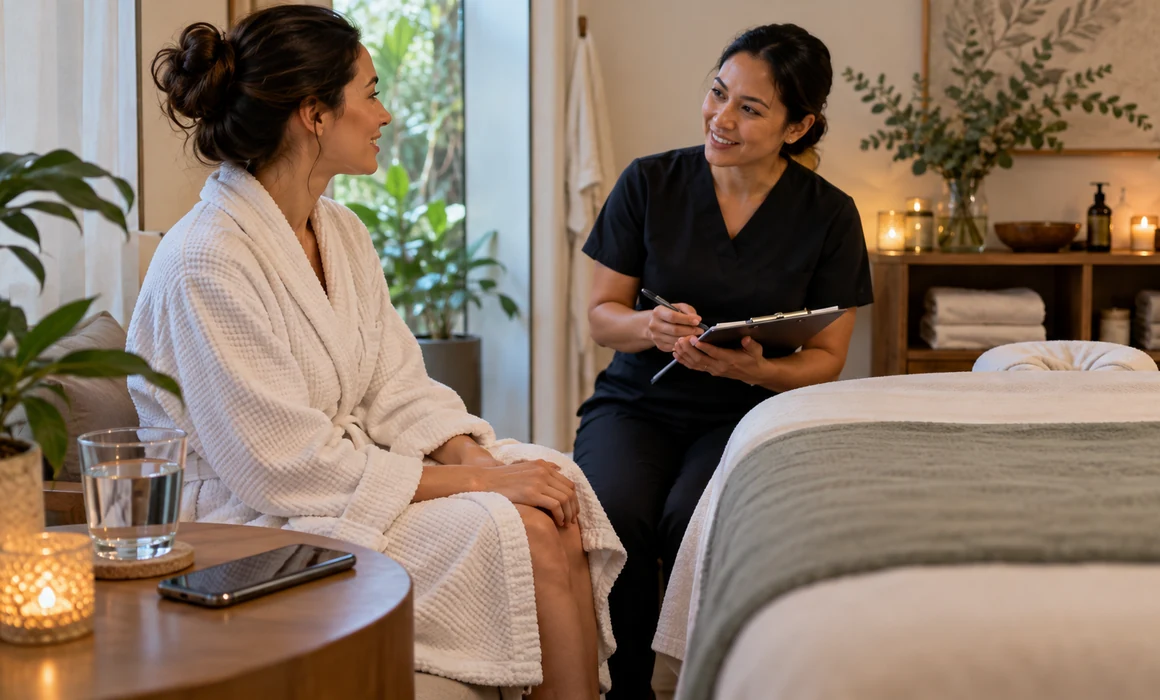
A massage is a shared service. The therapist brings training and technique; you bring information about your body, preferences, and boundaries. If you are new to massage, Wellnessville’s guide to what to expect and how to prepare can ease the first-visit nerves. Here are seven habits to leave behind.
1. Arriving rushed and unprepared
Running through traffic, arriving late, and trying to settle into the room at the last second can make it harder to relax. A delayed arrival may also shorten the service if another appointment follows. Build in time for parking, finding the entrance, completing the intake questions, and using the restroom. If you know you will be late, contact the business early rather than expecting the therapist to extend the appointment automatically.
Preparation does not require a long ritual. Bring any booking confirmation, wear something easy to change out of, and have a short list of preferences ready. If you are arranging a home visit, confirm the address, building access, and payment details beforehand. Wellnessville’s home-service massage checklist covers those logistics, while its guide to same-day bookings is useful when timing is tight.
2. Keeping important information to yourself
Clients sometimes omit information because they think it is too personal or irrelevant. Yet a recent injury, surgery, skin irritation, pregnancy, medication, or health condition can affect what is comfortable or appropriate. You do not have to share more than necessary, but do tell the therapist about details that could change pressure, positioning, or the areas worked. If you are unsure whether massage is appropriate, ask a qualified health professional before booking.
Do not feel that you need to supply a diagnosis. A useful description is specific and simple: “My shoulder is sore after lifting boxes,” or “Please avoid my lower back today.” The National Center for Complementary and Integrative Health describes massage safety and evidence in its massage therapy overview. Its guidance is a reminder that massage is not risk-free for everyone and that circumstances matter.
3. Holding your breath or bracing through pressure
Some people tense up because they assume they should tolerate strong pressure. Others hold their breath when a sensitive spot is worked. A massage should not be a test of endurance. If your muscles tighten, you feel sharp pain, or you notice yourself bracing, tell the therapist and ask for a lighter approach or a pause. Pain that feels alarming is a reason to stop the technique rather than push through it.
Try a slow exhale and let the therapist know what you notice. Words such as “lighter,” “slower,” or “please skip that area” are enough. The right pressure is the pressure that feels acceptable to you, not the pressure a label seems to promise. Wellnessville explains how to choose pressure instead of relying on a massage style name.
4. Letting your phone interrupt the session
A phone can pull attention away from the appointment and interrupt a quiet room. Silence notifications before the service begins, and let someone know if you are expecting an urgent call. If you do need to answer, ask the therapist to pause and check whether the session can continue within the booked time. Do not record the therapist or other guests without their permission.
For some clients, conversation is relaxing; for others, quiet matters. Neither choice is wrong. Tell the therapist what you prefer at the start, then speak up if your preference changes. A calm room helps you notice whether pressure, temperature, or positioning needs adjustment. That feedback makes a bigger difference than trying to stay perfectly still or completely silent.
5. Choosing a technique by its reputation alone
“Deep tissue” can sound more effective than “relaxation massage,” but a more intense name does not mean a better match. The best choice depends on your comfort, goal, therapist’s training, and any health considerations. A style is a general description, not a guarantee that a particular result will happen. Ask what the session involves and explain what you hope to feel afterward.
If your goal is a calmer experience, a gentle approach may make more sense than chasing maximum pressure. If you have a training event or recurring desk discomfort, a therapist can discuss a more focused session while staying within the service offered. Read Wellnessville’s comparison of sports massage timing and its practical guide to massage for desk workers for examples of matching the appointment to the situation.
6. Moving suddenly without warning
Massage tables can feel unfamiliar, and you may want to shift, scratch, or change positions. That is fine. Let the therapist know before you move so they can step back and make space. Sudden movements can surprise both people and may make it harder to maintain a comfortable position. If a position causes discomfort, say so; the therapist can often use a pillow, adjust the table, or change the plan.
You also have the right to ask for help getting on or off the table if you feel unsteady. Take your time when standing after the session. If you feel dizzy or unusually unwell, sit down and tell the staff rather than walking out immediately. These are ordinary safety steps, not signs that you did anything wrong.
7. Treating “aftercare” as a strict rulebook
After a massage, people sometimes expect a special drink, a specific stretching routine, or a guaranteed feeling of lightness. There is no single post-session ritual that suits everyone. Follow any personalized instructions from your healthcare provider, and choose ordinary comfort measures that feel helpful to you. Do not force a stretch or exercise because someone online says it is required.
Notice how you feel later in the day and tell the therapist at your next appointment if a technique was helpful or uncomfortable. You can also decide that you do not want another session. Massage is optional wellness care, not a commitment to a package or a substitute for treatment when a symptom needs medical attention. Wellnessville’s article on massage myths and facts offers a balanced way to think about expected benefits.
A better way to approach the appointment
Keep the process simple: arrive with a little time to spare, mention relevant health information, describe your preferences, and speak up if something needs to change. You do not need to apologize for asking for a lighter touch, more draping, a different position, or a pause. A professional therapist should treat your feedback as useful information.
Before you book, check the service description, session length, payment terms, and cancellation policy. Wellnessville’s guide to massage pricing and cancellation can help you compare the booking details. If the business is unfamiliar, consult its spa hygiene checklist and Metro Manila spa safety guide to plan questions you can ask before starting.
Frequently Asked Questions
Can I book a chair massage instead of a table massage?
Some providers offer seated sessions, but they may require different equipment and have a shorter menu. Ask the business whether chair massage is available, how long it lasts, and where it can be performed.
Can I request a female or male massage therapist?
You can make a preference known when booking. Availability depends on the provider’s schedule, so ask for confirmation and discuss any privacy or draping questions before the appointment.
Does a spa provide towels and disposable undergarments?
Policies differ. Ask what linens or garments are available and whether there is a charge. You may also bring clothing you are comfortable changing into if the spa permits it.
Are couples massages always performed in the same room?
No. Some venues offer side-by-side sessions in one room, while others schedule separate rooms or do not provide a couples option. Confirm the arrangement when booking, especially if sharing the room is important to you.
Can I combine a massage with another spa service in one visit?
Some venues offer combination bookings, while others schedule each service separately. Ask about the available sequence, total appointment time, and whether one service changes the price of the other.


