




















Sports Massage Timing: Before Training, After Exercise, or on a Rest Day?
A recreational athlete may want a massage before a race, after a hard session, or during a rest week. Those are different appointments. A practical comparison is more useful than a search result that promises everything. This guide helps you narrow the options, ask specific questions, and make a booking that fits your time, comfort, and budget. Availability and policies change, so confirm the details directly before you travel or pay.
Start with the decision you actually need to make
Before a competition, prioritize familiarity. A new, intense treatment immediately before an important event may leave you uncomfortable or distract from your routine. If you already know a therapist and technique that works for you, discuss a brief session and your event schedule rather than asking for maximum pressure.
Try writing down three priorities before opening several tabs: your preferred location, a comfortable appointment window, and the kind of treatment you want. This simple step keeps you from comparing unrelated offers. One provider may have a nearby treatment room while another sends a therapist to you. One may advertise a short session while another includes setup or consultation time in the schedule. Ask for the same details from each business before treating the prices as comparable.
Search results are a starting point rather than a guarantee of service. Read the provider’s own booking page, check that the address and contact details agree, and look for a clear description of the treatment. A professional response should make it easy to understand what happens next. If the listing and the reply conflict, ask for clarification in writing.
Compare the setting and the logistics
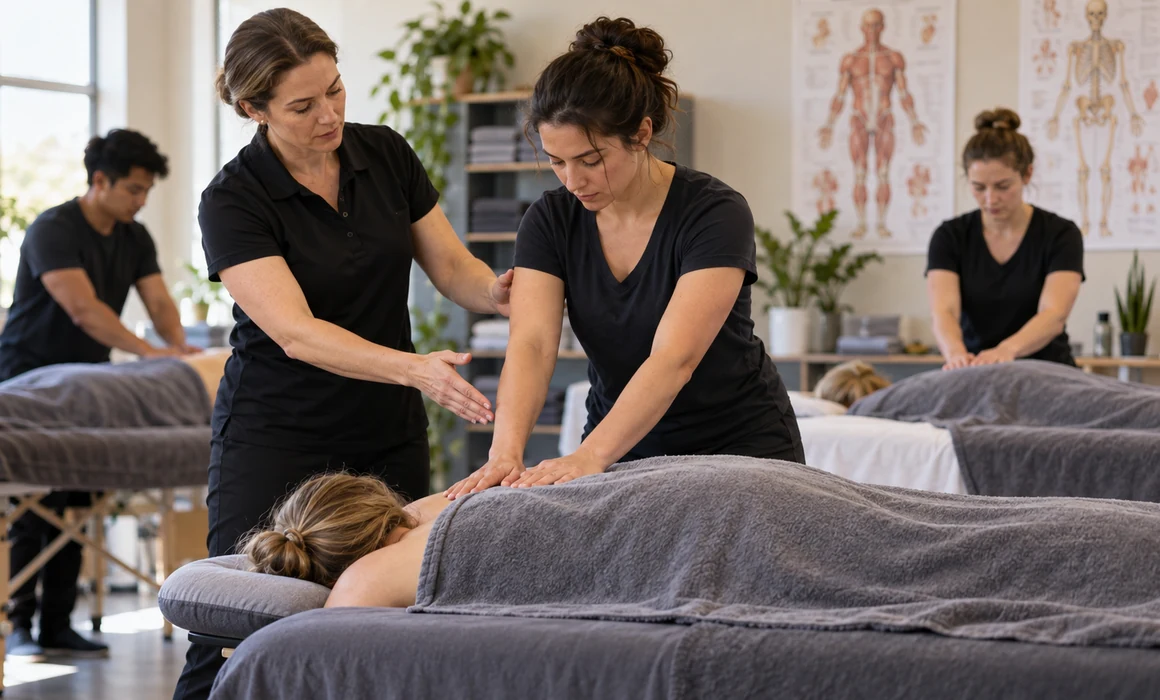
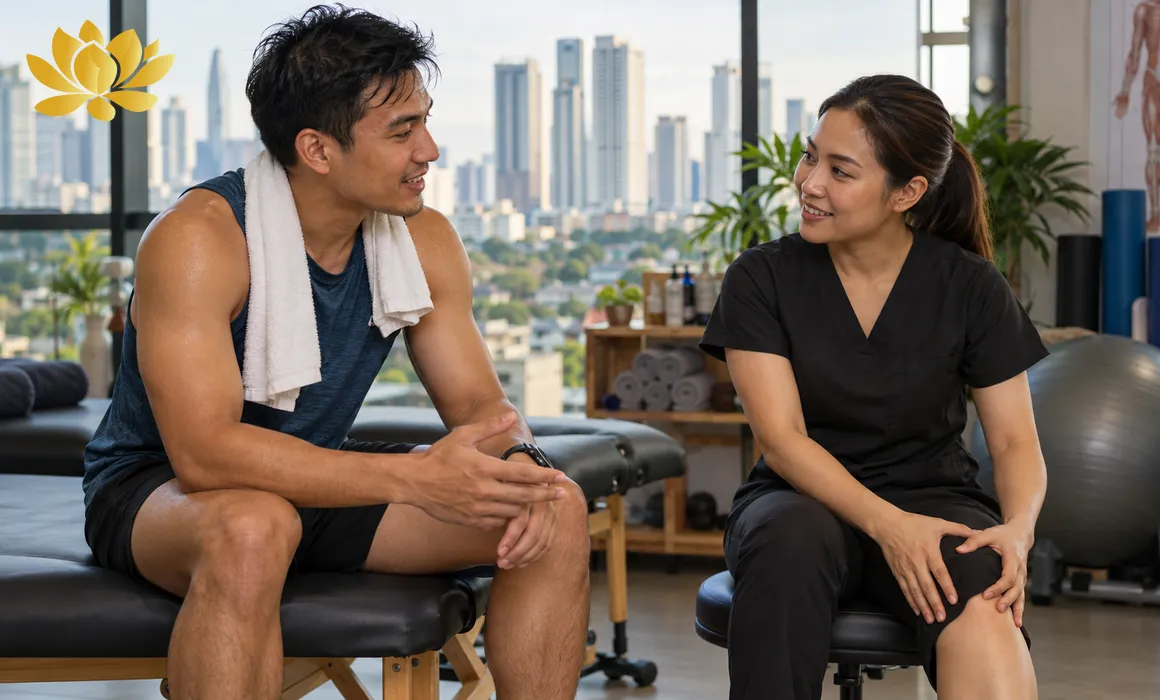
After exercise, explain the workout, any normal soreness, and any area that feels different from usual. A massage can be a relaxing recovery practice, but it does not replace sleep, nutrition, training adjustments, or assessment of a possible injury. If pain is sharp, swelling is pronounced, or function is impaired, seek medical advice.
The right setting is personal. Think about privacy, noise, travel, access, and what you want to do after the session. A dedicated spa room can remove household distractions. A home or hotel visit can reduce another trip, but it asks you to arrange space and access. The sports massage page offers a useful starting point before asking for a current quote.
Give yourself a buffer around the appointment. Intake, changing, building registration, and traffic all take time. Ask whether the advertised duration refers to hands-on treatment and when the appointment clock starts. A booking that looks convenient on a search page can feel rushed if these small steps are ignored. Keep the confirmation in a message you can refer to on the day.
Ask for clear terms before confirming
A rest day gives you more room for a longer session and feedback. Ask the therapist which areas they plan to work on and how they will adapt pressure. The evidence for massage and specific performance outcomes is mixed, so judge its value by your comfort and goals rather than a guarantee of faster recovery.
A useful booking message names the service, duration, start time, location, all-in price, payment method, and cancellation deadline. Ask about any travel, parking, evening, or product charge relevant to your situation. If more than one person is booking, confirm whether treatments are simultaneous or back to back. An honest provider can say what is included without relying on vague labels or promises.
Reviews help most when they describe specific behavior: whether the therapist arrived as agreed, listened to pressure requests, kept the space clean, and explained a change. Treat dramatic claims of guaranteed health results with caution. The best 5 massage techniques athletes page provides more context, but the final booking terms still need direct confirmation.
Make comfort and consent part of the plan
Keep brief notes on timing and response. A simple record of training load, session style, and next-day comfort helps you make a sensible plan for future events.
Before hands-on work begins, discuss the pressure you prefer, areas to focus on, areas to skip, draping, and any product sensitivity. You may change your mind during the session. Use plain language such as “lighter on my shoulder” or “please stop working there.” A good therapist adjusts or stops. You never need to accept an unexpected change to the agreed service.
Share relevant health information with the therapist, especially a recent injury, pregnancy, a medical condition, or medication that may affect bruising or bleeding. The National Center for Complementary and Integrative Health overview of massage therapy describes possible benefits, limits of the evidence, and safety considerations. Massage can support comfort for some people, but it is not a diagnosis or a substitute for care when symptoms are new, severe, or worsening.
Check the space and the people
Fresh linens, clean hands, a reasonably tidy treatment area, and a clear arrival process are practical signs to look for. For home visits, verify the therapist through the business channel and prepare an uncluttered place to work. For a spa visit, check that the room provides privacy and that the listed address matches where you are asked to go. The CDC guidance on hand hygiene explains the role of clean hands in reducing the spread of germs; ask the provider how it handles hygiene in its own setting.
An uncomfortable feeling is enough reason to pause and ask a question. You can request a different product, ask for a clean linen, change pressure, or end a session. Keep your phone and belongings where you can find them. This is ordinary preparation for a personal service, and it helps the appointment stay focused on what you booked.
A simple booking sequence you can reuse
First, choose the service and location that meet your main goal. Second, request the earliest realistic appointment and the complete price. Third, confirm the therapist or venue, access instructions, and cancellation policy. Fourth, state your comfort preferences and relevant health information. Finally, save the written confirmation and allow enough time to arrive or prepare the space. These steps work even when you are making a same-day decision.
If the first option cannot answer a basic question, compare another provider instead of filling the gap with assumptions. Consult the therapists page for the relevant service or booking details. Make the final choice using information specific to your appointment, not a general claim that one technique or venue is best for everyone.
After the treatment, notice how comfortable you felt with the communication and setting as well as the technique. Record a couple of preferences for next time. If discomfort is significant, persists, or comes with unusual symptoms, contact a qualified health professional. A satisfying massage experience should leave you better informed about what works for you.
A realistic example
A runner has a race on Sunday and considers trying a new deep treatment on Saturday. A better conversation is to describe the race schedule and ask for a familiar, light option or move the longer session to a rest day. After the event, the runner can report normal soreness versus an unusual injury symptom. The therapist can then plan within their scope. Logging how each session feels afterward will be more informative than assuming one timing rule works for every athlete.
Use that example as a prompt to test your own plan. Replace the assumed place, time, and provider with the facts of your booking, then check which questions remain unanswered. The simplest decision is usually the one you can explain in a few sentences: what you booked, where it happens, who provides it, what it costs, and how you can change or cancel. If any of those details are unclear, ask before the appointment. A little preparation preserves the relaxed part of the experience.
Frequently Asked Questions
Can I massage a fresh sprain?
Do not treat a suspected acute injury as ordinary soreness. Seek appropriate clinical assessment first.
Should I stretch immediately after the session?
Follow your usual gentle movement plan and ask a qualified professional if an injury affects what you can do.
Can two teammates share one appointment?
Only if the provider offers separate consecutive sessions with clear individual durations and consent.
Is a massage gun the same as sports massage?
No. A device and a therapist-led session differ in technique, assessment, and feedback.