



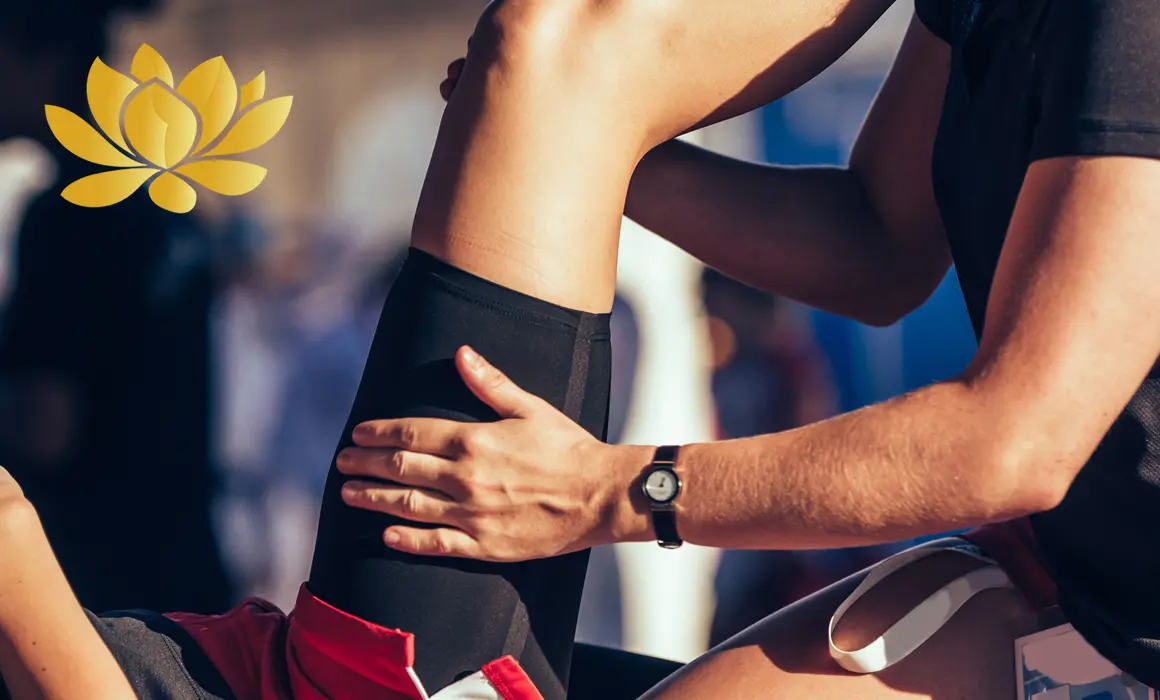
The Best 5 Massage Techniques for Athletes: A Quick Summary
Athletes require more than just a standard relaxation session. To maintain high performance and prevent injury, specialized techniques are necessary to target specific muscle groups and recovery needs. Here is a summary of the top five techniques recommended for athletes in 2026:
- Sports Massage: The gold standard for pre-event preparation and post-event recovery.
- Deep Tissue Massage: Focuses on the inner layers of muscles and connective tissues to release chronic tension.
- Thai Massage: Often called “lazy yoga,” it uses assisted stretching to increase flexibility and range of motion.
- Swedish Massage: Ideal for flushing out lactic acid and improving overall circulation during rest days.
- Trigger Point Therapy: Targets specific “knots” to alleviate referred pain and restore muscle function.
Why Do Athletes Need Specialized Massages?
Athletics at any level, whether professional or recreational, place an extraordinary amount of stress on the human body. While the average person might seek a massage for general stress relief, an athlete requires a more strategic approach. Specialized massages address the physiological changes that occur during intense physical exertion.
Injury Prevention and Tissue Elasticity
Repetitive motions in sports like running, swimming, or weightlifting can lead to micro-trauma in the muscle fibers. Over time, this results in the formation of scar tissue and adhesions. If left untreated, these adhesions limit flexibility and increase the risk of strains or tears. Specialized techniques help break down these adhesions, maintaining the elasticity of the tissues.
Enhanced Circulation and Waste Removal
During high-intensity training, metabolic byproducts like lactic acid and uric acid accumulate in the muscles. This leads to the sensation of “heavy legs” and delayed onset muscle soreness (DOMS). A targeted massage stimulates the lymphatic system and improves blood flow, which accelerates the removal of these toxins while delivering oxygenated, nutrient-rich blood to the muscles for faster repair.
Psychological Readiness and Nervous System Regulation
Peak performance is as much about the mind as it is the body. Intense training keeps the sympathetic nervous system (fight or flight) in a constant state of high alert. Specialized massage helps transition the body into the parasympathetic state (rest and digest). This shift is crucial for high-quality sleep and hormonal balance, both of which are foundational to athletic progress.
Top 1: Sports Massage
Why this massage technique is ranked 1?
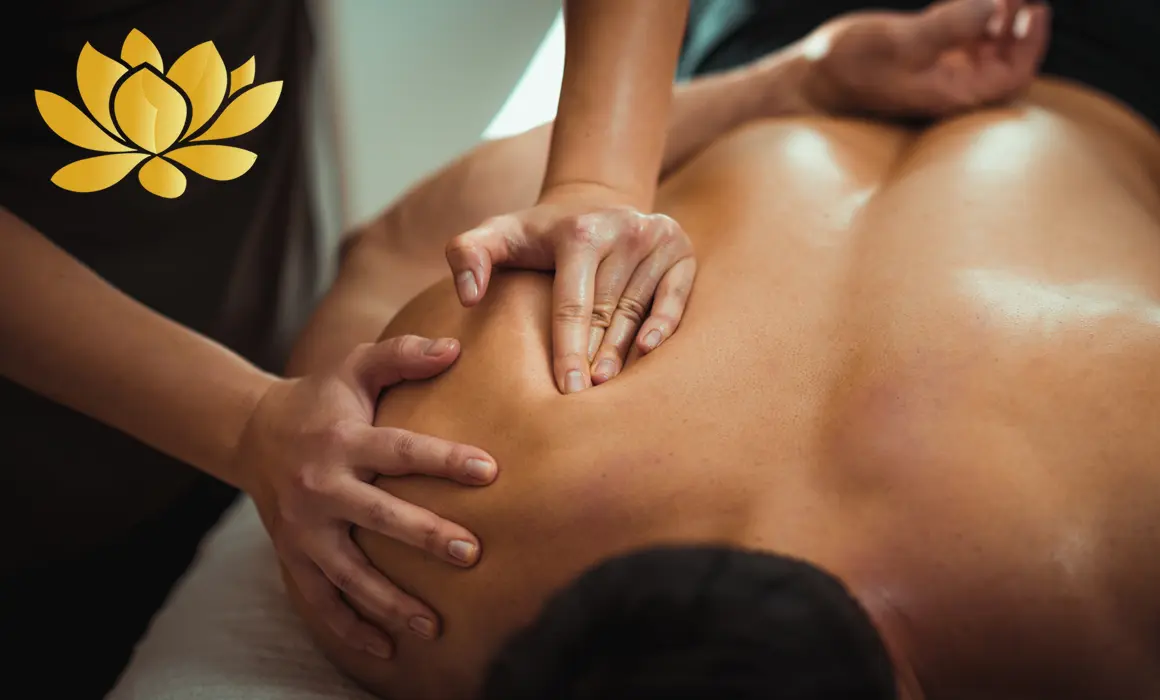
Sports massage takes the top spot because it is specifically designed for the athletic lifestyle. It is not a single technique but rather a collection of methods tailored to the athlete’s current training phase. Whether you are preparing for a marathon or recovering from a heavy lifting session, a sports massage adapts to your immediate needs.
This technique ranks first because of its versatility. It can be divided into four distinct categories: pre-event, post-event, restorative, and rehabilitative. Pre-event sports massage is fast-paced and invigorating, designed to warm up the muscles and increase blood flow without over-relaxing the athlete. In contrast, post-event massage focuses on calming the nervous system and reducing inflammation.
In our experience serving athletes across Metro Manila, we have found that sports massage provides the most direct impact on performance metrics. It addresses “functional” issues such as restricted range of motion or muscle imbalances that are common in specialized sports. By focusing on the specific muscle groups used in your sport, this technique offers a level of precision that other modalities cannot match.
Top 2: Deep Tissue Massage
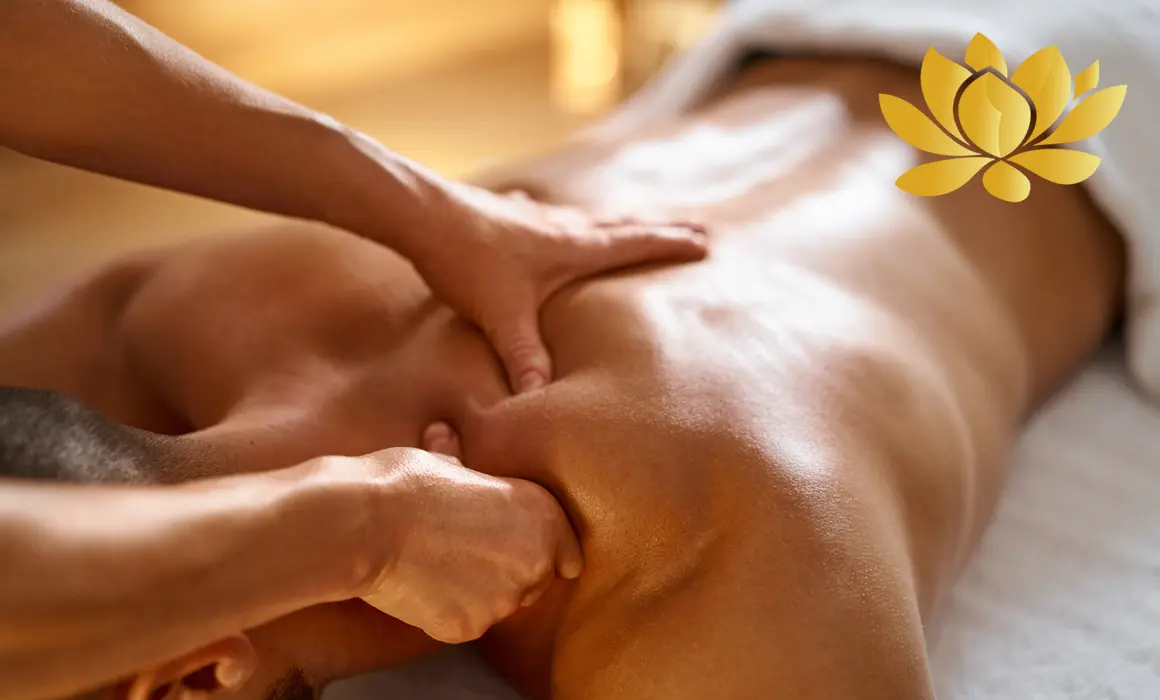
Why this massage technique is ranked 2?
Deep tissue massage is ranked second because it addresses the structural integrity of the body. While a sports massage is often about the “rhythm” of training, deep tissue is about the “foundation” of the muscle. It utilizes slow, firm strokes and deep finger pressure to reach the sub-layer of muscles and the fascia (the connective tissue surrounding muscles).
Athletes often develop chronic tension in specific areas due to repetitive loading. For example, a cyclist might have extremely tight hip flexors, while a swimmer might have chronic tension in the lats and shoulders. Deep tissue massage is exceptionally effective at releasing these deep-seated knots and realigning the muscle fibers.
We rank this technique highly because it provides long-term benefits for posture and alignment. When an athlete’s fascia is restricted, the body compensates by using other muscles, which leads to “leaking energy” and decreased efficiency. By releasing the fascia, deep tissue massage ensures that every muscle is firing correctly, which translates to more power and better endurance.
Top 3: Thai Massage
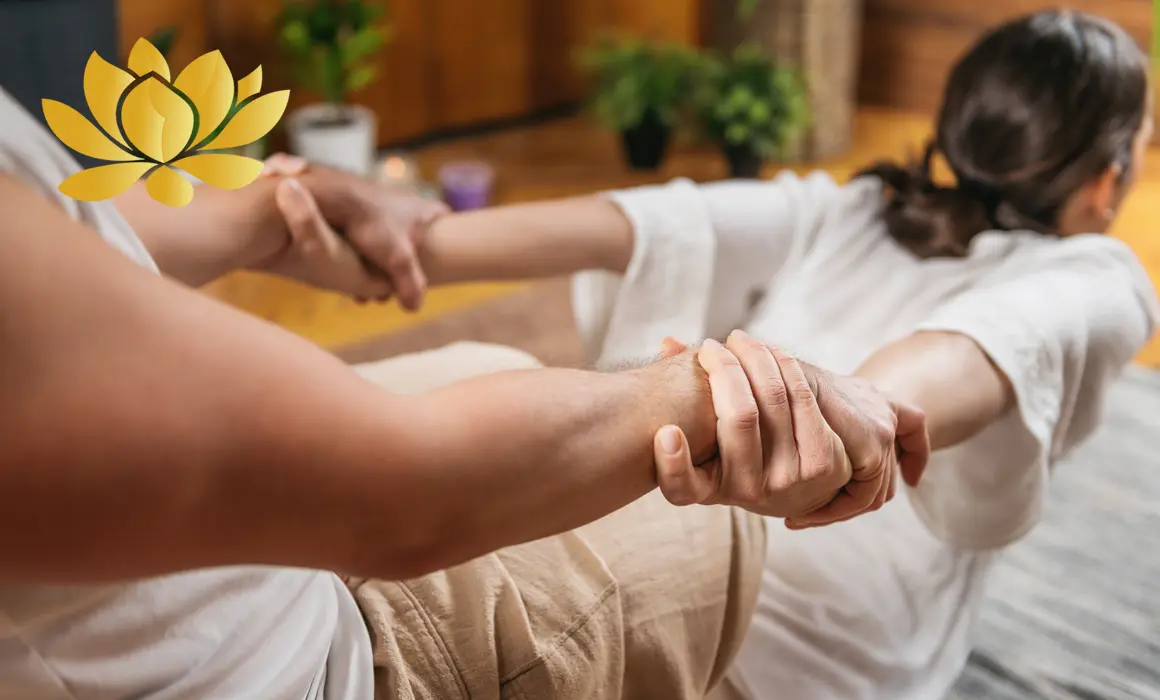
Why this massage technique is ranked 3?
Thai massage earns the third spot because of its unique focus on flexibility and joint mobilization. Unlike most Western massages that occur on a table with oils, Thai massage is traditionally performed on a floor mat with the client fully clothed. It involves a series of assisted stretches where the therapist uses their hands, knees, legs, and feet to move you into yoga-like positions.
For athletes, flexibility is often the “missing link” in their performance. A greater range of motion allows for a longer stride in runners, a deeper squat in lifters, and a more efficient stroke in swimmers. Thai massage acts as an intensive stretching session that targets the entire body, from the soles of the feet to the base of the skull.
This technique is ranked third because it clears the energy pathways of the body, often referred to as “Sen” lines. Beyond the physical stretching, it helps in opening up the joints and improving the flow of synovial fluid. This is particularly beneficial for older athletes or those in high-impact sports where joint stiffness is a common complaint.
Top 4: Swedish Massage
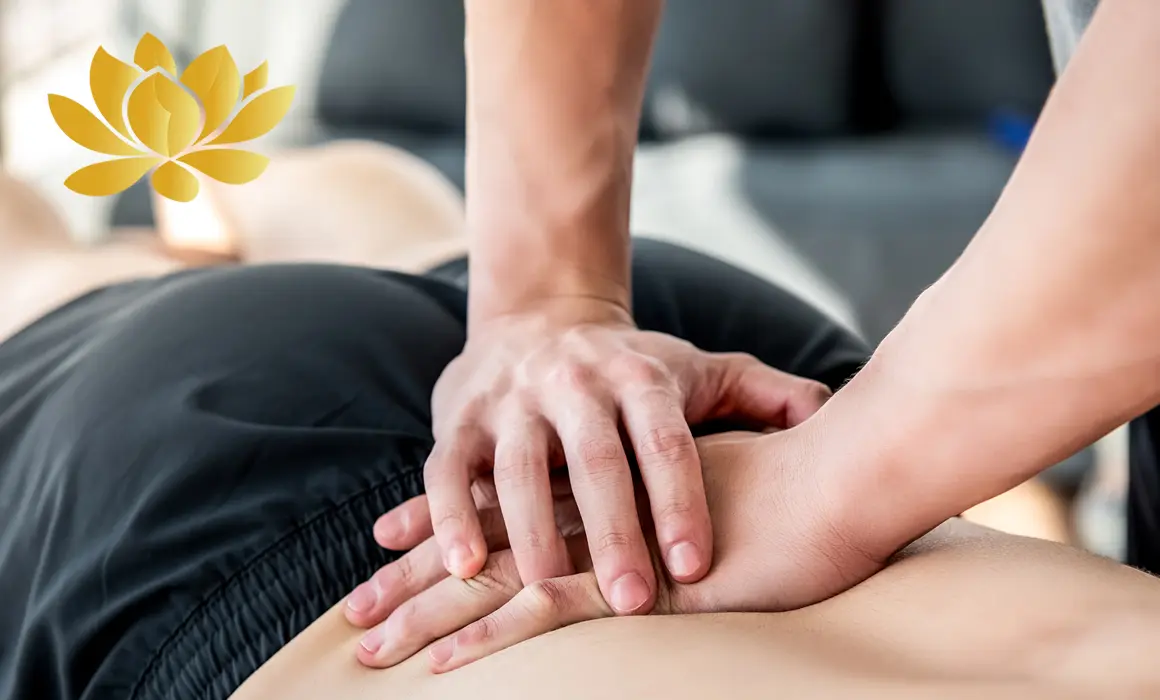
Why this massage technique is ranked 4?
Swedish massage is the most well-known modality, and it ranks fourth for athletes primarily as a recovery and maintenance tool. It uses long, gliding strokes (effleurage), kneading (petrissage), and circular movements to relax the entire body. While it is less intense than deep tissue or sports massage, its value lies in its ability to facilitate “active recovery.”
Athletes cannot always train at 100% intensity, and the same applies to their recovery. There are times when the body is too sore or the nervous system is too fatigued for the “aggressive” nature of a deep tissue session. Swedish massage is the perfect solution for these rest days. It significantly increases the oxygen level in the blood and decreases muscle toxins, all while providing a sense of deep mental peace.
We rank this fourth because it is the ultimate “maintenance” massage. It helps keep the circulatory system efficient during off-seasons or taper weeks before a big event. It ensures that the athlete remains relaxed and ready for their next high-intensity session without adding any additional “stress” to the tissues.
Top 5: Trigger Point Therapy
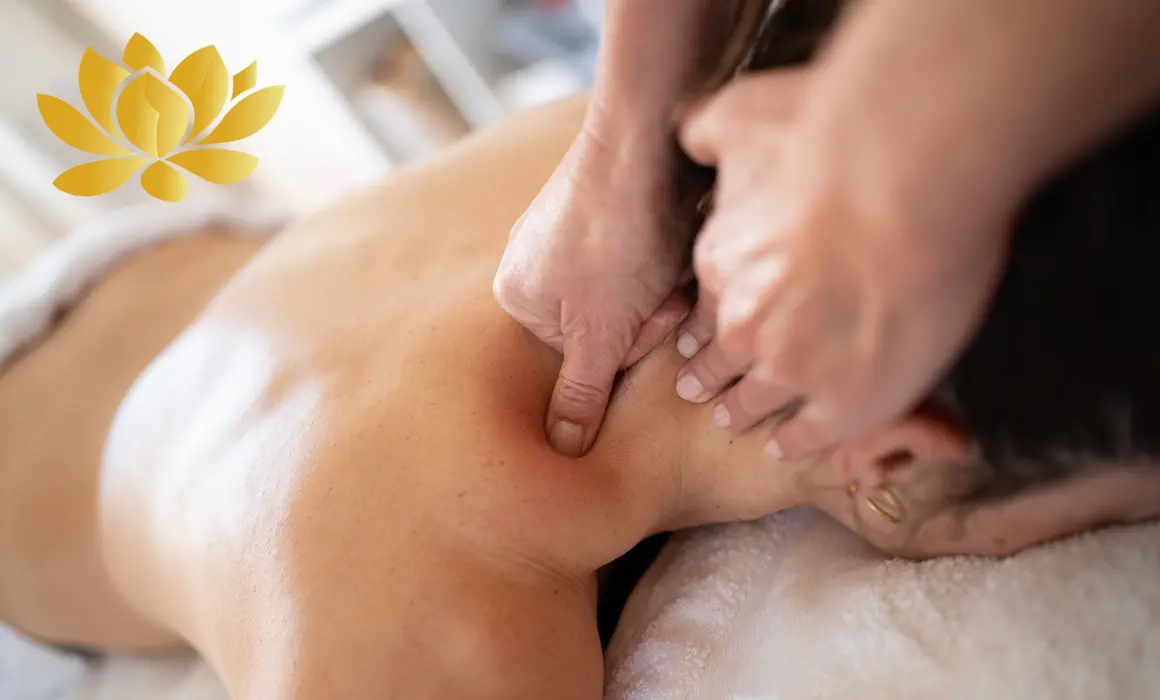
Why this massage technique is ranked 5?
Trigger point therapy rounds out our top five because of its incredible effectiveness in pain management. A trigger point is a tight area within muscle tissue that causes pain in other parts of the body. For instance, a trigger point in the back might produce referral pain in the neck or shoulders.
Athletes often deal with these “referred” pains that are difficult to pin down. Trigger point therapy involves the use of isolated pressure and release. Although it can be slightly uncomfortable during the application, the relief it provides to chronic pain areas is often instantaneous. It helps “deactivate” the hyper-irritable spots in the muscle, allowing the muscle to return to its full resting length.
This technique is ranked fifth because it is highly specialized. It is usually integrated into a sports or deep tissue session rather than performed as a standalone service. However, for an athlete dealing with a specific “nagging” injury or a localized pain spot, trigger point therapy is an essential tool in their recovery arsenal.
How to Book a Massage to Your Home, Apartment, Condo, or Hotel?
We understand that for an athlete, time and convenience are everything. You should not have to spend your recovery time stuck in Metro Manila traffic. We bring the elite spa experience directly to your doorstep, whether you are at home, in a condo, or staying at a hotel.
Our outcall services are designed to fit into your training schedule. We provide professional, high-quality massage therapy in the comfort of your own space, allowing you to go straight to sleep or into your recovery routine immediately after the session.
Booking Information:
You can reach our team at any time of the day or night. We are open 24/7 to accommodate early morning training sessions or late-night recovery needs.
- Call or message us on WhatsApp, Viber, or Telegram: 09190997045 | 09685354675
- Service Area: Anywhere in Metro Manila
- Email: hello@coral-sardine-310737.hostingersite.com
- Official Website: www.coral-sardine-310737.hostingersite.com
Experience the professional care your body deserves and take your athletic performance to the next level with our trusted team of therapists.