


















The Hidden Dangers of Untrained Masseurs
A massage can feel relaxing, but safe, professional service still depends on knowledge, communication, and respect for boundaries. The phrase “untrained masseur” can sound like a simple label, yet it may refer to very different situations: a person with no formal instruction, someone who learned through supervised practice, or a provider whose training is not clearly described. A customer cannot judge competence from a uniform, price, or confident sales pitch alone.
This article is not meant to frighten customers or dismiss every practitioner who has a different training path. Instead, it explains why basic preparation matters and how to ask practical questions before booking. In the Philippines, TESDA publishes a national Massage Therapy NC II training regulation, which is one reference point customers can ask about. A certificate does not guarantee a perfect session, but transparent training information can help you make a more informed choice.
Why training and supervision matter
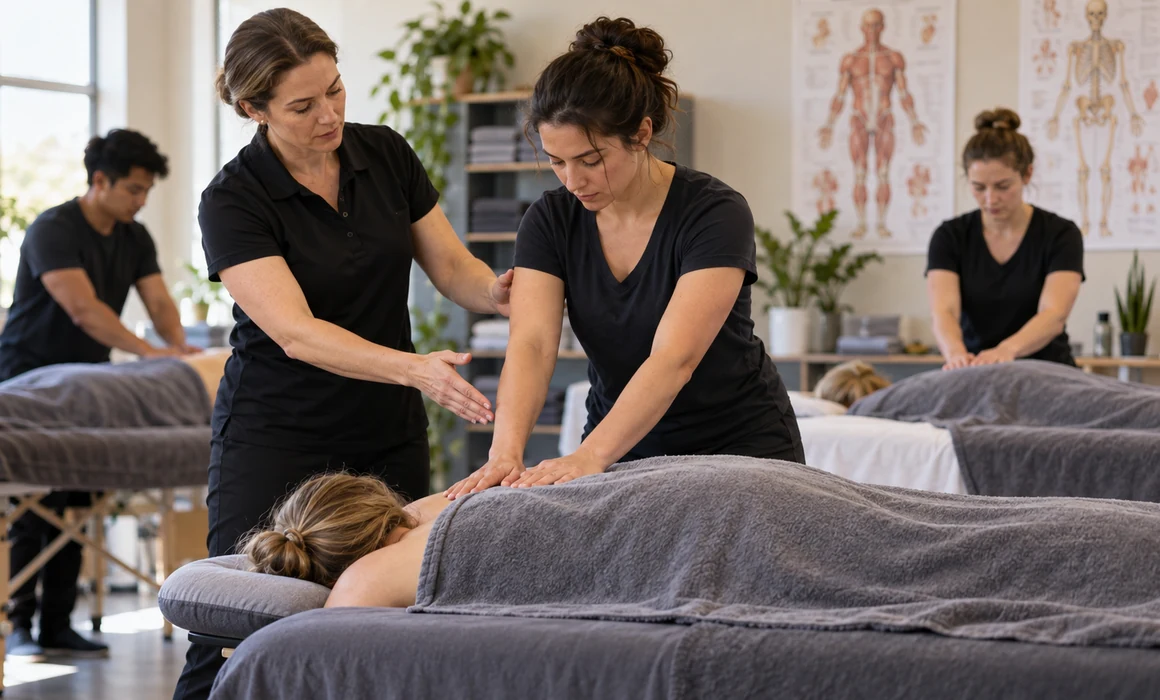
Massage involves applying touch and pressure to another person’s body. A practitioner needs to know how to communicate, maintain appropriate draping, adjust force, and recognize when a request is outside their experience. Training can also introduce body mechanics, hygiene, intake questions, and professional conduct. These foundations help the therapist provide a service that is more predictable and respectful.
Without adequate preparation, a practitioner may use too much pressure, overlook a client’s feedback, or fail to ask about a health issue that changes what is comfortable. That does not mean every unpleasant session causes an injury. It does mean a customer should not be encouraged to “tough it out” or accept a technique they did not agree to. The National Center for Complementary and Integrative Health notes that massage’s overall risk of harmful effects appears low, while still recommending appropriate precautions and care for individual circumstances. See its massage therapy safety overview.
Warning signs to take seriously
A provider should be able to tell you what service you booked, how long it lasts, what areas are included, and what the price covers. Be cautious if a person cannot describe their training or experience at all, promises a guaranteed cure, dismisses reasonable questions, or pressures you into a service you did not request. It is also a concern if the therapist ignores a request to change pressure or stop, handles your belongings without permission, or does not explain how privacy and draping are managed.
Pay attention to the setting as well. A clean room, fresh linens, and clear booking details do not prove a provider is skilled, but they are basic signs of an organized service. If the environment feels unsafe, if the price changes unexpectedly, or if the business will not identify who is coming to your home, postpone the appointment. Wellnessville’s spa hygiene checklist and Metro Manila spa safety guide give you practical questions to ask.
Questions that help you assess a provider
You do not need to conduct an interview. A few direct questions are enough: “What training or supervised experience have you completed?” “Which massage styles do you offer?” “How do you adjust pressure?” “Can I tell you to stop or change the technique at any point?” “What health information should I share before we begin?” A professional provider should answer without making you feel uncomfortable for asking.
Where appropriate, ask whether the therapist has a TESDA National Certificate or completed another recognized course. Treat training as one piece of information, not an absolute guarantee of quality. You can also review the service description, booking policies, and customer feedback. Wellnessville’s guide on choosing a massage therapist by skill and fit discusses how preferences and professional information work together.
Do not use price or appearance as a shortcut
A low fee does not automatically mean the service is unsafe, and a high fee does not automatically prove strong training. Likewise, a practitioner’s age, gender, accent, or appearance does not tell you how well they can perform the service. Look for specific information: what they studied, how long they have practiced, which services they provide, and how they respond to your questions.
Be especially cautious when a provider advertises a massage as treatment for a serious medical condition or tells you to stop care prescribed by a doctor. A massage therapist’s role is different from a physician’s. If you have persistent pain, an unexplained symptom, or a medical condition that could affect massage, speak with a qualified healthcare professional before the appointment. Wellnessville’s myths-versus-facts guide explains why broad cure claims deserve scrutiny.
Protect your comfort and boundaries
Before the session, agree on the service, price, duration, and any areas you do not want worked on. You can ask how draping is handled and what clothing is expected. During the session, say “lighter,” “please skip that area,” or “stop” whenever you need to. Consent is ongoing; agreeing to one technique does not mean you have agreed to every technique.
If something makes you feel unsafe, end the session if possible, get dressed, and leave the room. Tell the manager or booking contact what happened. If you are in immediate danger, contact local emergency services or someone you trust. For in-home appointments, share the booking details with a trusted person, use the verified contact channel, and make sure you know who is arriving. Wellnessville’s checklist for booking home-service massage and its late-night safety guide can help you plan these details.
What to do after a concerning experience
Write down the date, time, service, amount paid, and what happened while the details are fresh. Keep the booking confirmation, receipt, and messages. Contact the business using an official channel and state the outcome you want, such as a clarification, correction, or refund review. If the issue involves an injury or ongoing symptoms, seek medical care rather than relying on a massage business to assess the problem.
If the concern involves misleading advertising or an unresolved consumer transaction, you can consult the relevant consumer-protection agency about complaint options. For an ordinary service mismatch, a calm and specific explanation may be enough to resolve it. Do not publish personal information about a provider while making a complaint. Focus on verifiable facts and use the channels responsible for handling the issue.
A balanced way to choose
Confidence is not a substitute for preparation, but training is not the only measure of a good experience. A capable professional should be transparent about services and limitations, listen to feedback, and maintain clear boundaries. You should feel free to ask basic questions and to decline if the answers do not give you confidence.
Before you book, check the business, service, price, and venue. Confirm that the provider’s experience matches what you want. If the person is new to the field, ask whether they are working under supervision and what that means for your session. You are entitled to make a choice based on the information you receive, without feeling pressured or embarrassed.
Frequently Asked Questions
Does a massage therapy certificate make someone a licensed physical therapist?
No. A massage therapy qualification and a physical therapy professional license are different credentials for different scopes of work. If you need rehabilitation or diagnosis, consult a licensed healthcare professional and verify the provider’s specific credentials.
Can I book a session at a massage school?
Some training schools offer supervised practice sessions to the public, while others do not. Contact the school to ask whether appointments are available, who supervises the students, what services are offered, and how the session is priced.
What does “NC II” mean in the TESDA massage qualification?
It refers to a National Certificate level used in TESDA’s qualification system. For exact competency units and assessment details, consult the current TESDA training regulation or contact TESDA directly.
Can I request a therapist of a particular gender?
You may ask when booking. The business may have limited availability, so confirm the request rather than assuming it is guaranteed. You can also ask what draping and privacy practices the spa follows.
Can I ask whether a massage school offers discounted student sessions?
Yes. Contact the school and ask whether public appointments are available, whether students are supervised, what services are included, and how the fee compares with a regular booking.