





















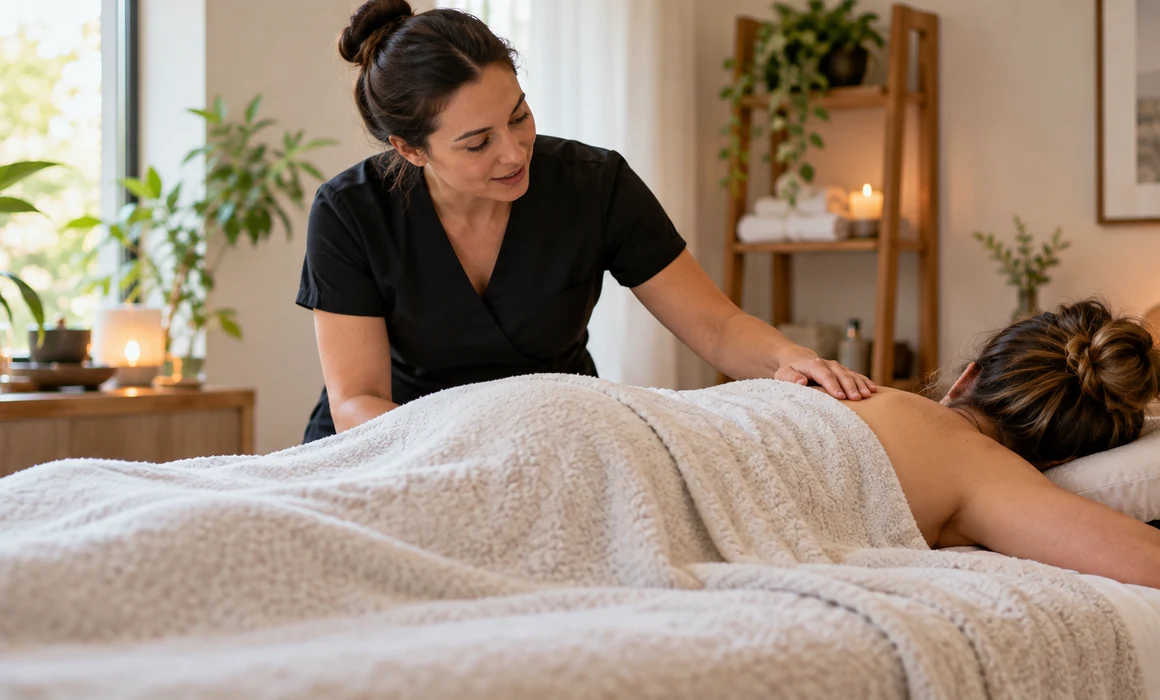
5 Things Your Massage Therapist Wishes You’d Stop Doing
A good massage depends on more than technique. It also depends on clear communication, agreed boundaries, and enough time for the therapist to understand what you want from the session. Most therapists are not expecting clients to know professional terminology. They do appreciate simple, honest information and a respectful working relationship.
The title of this article is playful, but the suggestions are practical rather than a list of reasons to blame clients. People arrive tired, nervous, distracted, or unsure what to say, especially on a first visit. Small changes can make the session more comfortable for both of you. If you want a step-by-step overview of arrival and preparation, start with Wellnessville’s guide to your first massage appointment.
1. Stop assuming the therapist can guess what you need
A therapist cannot feel what you feel. “My shoulders are tight” is helpful, but it may not explain whether you want general relaxation, focused work on one area, or simply a quiet session with lighter pressure. Give a short description: where you feel tension, what movements aggravate it, whether you prefer gentle or firm pressure, and whether there are areas to avoid. You do not need to diagnose yourself or name a condition.
If you have a recent injury, surgery, skin irritation, fever, or a health concern that may affect massage, mention it before the session and ask whether postponing or changing the plan is safer. A massage provider is not a substitute for a physician and should not promise to diagnose or cure disease. The National Center for Complementary and Integrative Health provides a balanced overview of what is known about massage therapy, including the limits of available evidence.
2. Stop waiting until the end to mention discomfort
Some clients stay quiet because they do not want to interrupt or seem difficult. That can make a session less useful. If the pressure is too strong, the room is cold, a position feels awkward, or a movement causes pain, say so when you notice it. A short “lighter, please” is enough. Therapists generally prefer an early adjustment to learning afterward that you endured discomfort for most of the appointment.
Feedback is part of the service, not a personal criticism. You can also use a simple scale, such as “three out of ten pressure,” if that makes the request easier. Pressure preference can change between body areas and during one session, so speak up again if the first adjustment is not right. Wellnessville’s guide to choosing pressure instead of relying on massage labels explains why “deep tissue” does not mean that painful pressure is required.
3. Stop treating appointment time as flexible
Arriving late can shorten your own session and affect the appointments that follow yours. If traffic, work, or a family responsibility may delay you, call or message as soon as possible. Ask whether the booking can be moved, whether the session will end at its original time, and whether the business applies a late-arrival fee. Policies vary, so get the answer rather than assuming the therapist can simply stay longer.
Likewise, cancel as early as you can when plans change. A therapist may have reserved that time specifically for you, and late cancellations can leave a gap that is difficult to fill. Before booking, review the venue’s rules for deposits, cancellation, and rescheduling. Wellnessville’s article on massage price, tipping, and cancellation terms offers a helpful overview. If you are booking at night, its late-night massage safety checklist includes other timing questions worth confirming.
4. Stop expecting the therapist to ignore boundaries or perform outside their role
A professional massage is a wellness service with clear boundaries. The therapist should explain the service, ask about areas to avoid, maintain appropriate draping, and respect your consent. You should offer the same respect: do not touch the therapist, make sexual comments, record without permission, or request a service that was not agreed to. If a conversation or action makes you uncomfortable, you can ask to stop, get dressed, and speak with the manager.
Consent is ongoing. You may change your mind about a technique or body area at any time. A therapist may also decline a request that falls outside the service they are trained or hired to provide. When both people understand what is included, the session is easier to keep professional and comfortable. Wellnessville’s massage therapist etiquette guide covers more ways to make the interaction respectful.
5. Stop treating a massage like a guaranteed medical fix
Massage may help some people feel more relaxed or ease certain kinds of discomfort, but benefits vary. It is not a reliable shortcut to repair every injury, correct posture permanently, or replace medical care. A therapist can work with your stated goals within the boundaries of the service, but they should not guarantee a cure or tell you to stop prescribed treatment. If you are seeking care for a persistent or severe symptom, speak with a licensed medical professional.
Come in with a realistic goal you can describe: “I want a relaxing session,” “I spend most of the day at a desk,” or “Please use lighter pressure around my neck.” For people who spend long hours at a computer, Wellnessville’s practical massage guide for desk workers discusses neck and shoulder tension without promising that massage alone will solve it.
What therapists usually appreciate instead
Be on time, arrive with clean skin, and share relevant preferences before the session starts. Ask questions if an instruction is unclear. Keep your feedback specific and brief, especially once the massage has begun. If you are not sure how much to talk, let the therapist know whether you prefer conversation or quiet. You do not need to perform relaxation or pretend that everything feels perfect.
It also helps to be clear about the service you booked. A therapist may use different techniques within a relaxation massage, but they should not switch to a different service or charge for an upgrade without your agreement. For a home appointment, confirm the room setup, access details, and full price in advance using Wellnessville’s home-service massage booking checklist.
When a session does not feel right
If you feel uncomfortable, use plain words: “Please stop,” “I want to change position,” or “I would like to end the session.” You do not have to give a long explanation. A professional should respond promptly. If the situation involves a boundary or safety concern, leave the room when you can do so safely and contact the business manager. For ordinary service issues, a calm description of what happened, when it happened, and what outcome you are requesting is more useful than a vague complaint.
Afterward, note what worked and what you would change next time. Perhaps you prefer less conversation, more time on your feet, or a different appointment length. You can tell the next therapist those preferences without criticizing the previous one. Wellnessville’s spa safety tips for Metro Manila can help you decide what to check before trying a new venue.
Frequently Asked Questions
Can I ask for the same therapist when I book again?
Yes, you can ask. The business may not be able to guarantee that person’s availability, so give the preferred therapist’s name when making the reservation and ask whether the appointment is confirmed with them.
What should I do if I need to use the restroom during a session?
Tell the therapist that you need a break. They can pause the session, help you get settled safely, and explain whether the scheduled end time will change under the venue’s policy.
May I bring a friend into the treatment room?
Ask the spa before arriving. Room size, privacy rules, and the type of service may affect whether a companion can stay. A friend can often wait in the reception area if the treatment room is private.
Can I request a therapist who speaks a particular language?
You can request one, especially if language will help you explain comfort or health information. Availability depends on the business, so ask when booking and keep instructions simple if no matching provider is available.
Can a spa provide a lower treatment table for easier access?
Some rooms have adjustable tables, while others use fixed-height equipment. Call ahead to describe the access need and confirm what the venue can provide before you make the trip.