


















Sensual Massage vs. Relaxation Massage: Key Differences Every Client Should Know
Massage therapy is an ancient practice that has evolved over the centuries, embracing various techniques aimed at promoting physical and mental well-being. Its origins can be traced back thousands of years, with notable references in ancient Chinese, Indian, and Egyptian texts, indicating its integral role in traditional healing systems. The concept of therapeutic touch has grown significantly and diversified, leading to the emergence of numerous massage styles, including sensual massage, erotic massage, relaxation massage, lingam massage, and yoni massage, each designed to meet diverse client needs.
Throughout history, massage therapy has maintained its relevance in both holistic and clinical settings. Initially utilized primarily for physical ailments, such as muscle pain and tension, it has expanded in scope to encompass emotional and psychological benefits. This shift underscores the significance of therapeutic touch in alleviating stress, enhancing mood, and fostering a sense of connection between the body and mind. The interplay between relaxation and stimulation in different massage techniques is noteworthy, as it facilitates distinct healing experiences tailored to individual preferences.
By exploring the various massage modalities, clients can better understand their unique needs. For instance, while a relaxation massage focuses on reducing tension and fostering a deep sense of calm, a sensual massage might engage more intimate techniques to create heightened awareness and connection with oneself. Lingam and yoni massages, often considered more specialized forms, delve into the sensual aspects of the body, emphasizing pleasure and intimacy.
Overall, the broad spectrum of massage therapy serves to highlight its foundation within the context of holistic health. Understanding the diverse techniques and their underlying principles lays the groundwork for a detailed exploration of the specific differences between sensual and relaxation massages, aiding clients in making informed choices to best support their physical and emotional wellness.
Defining Relaxation Massage
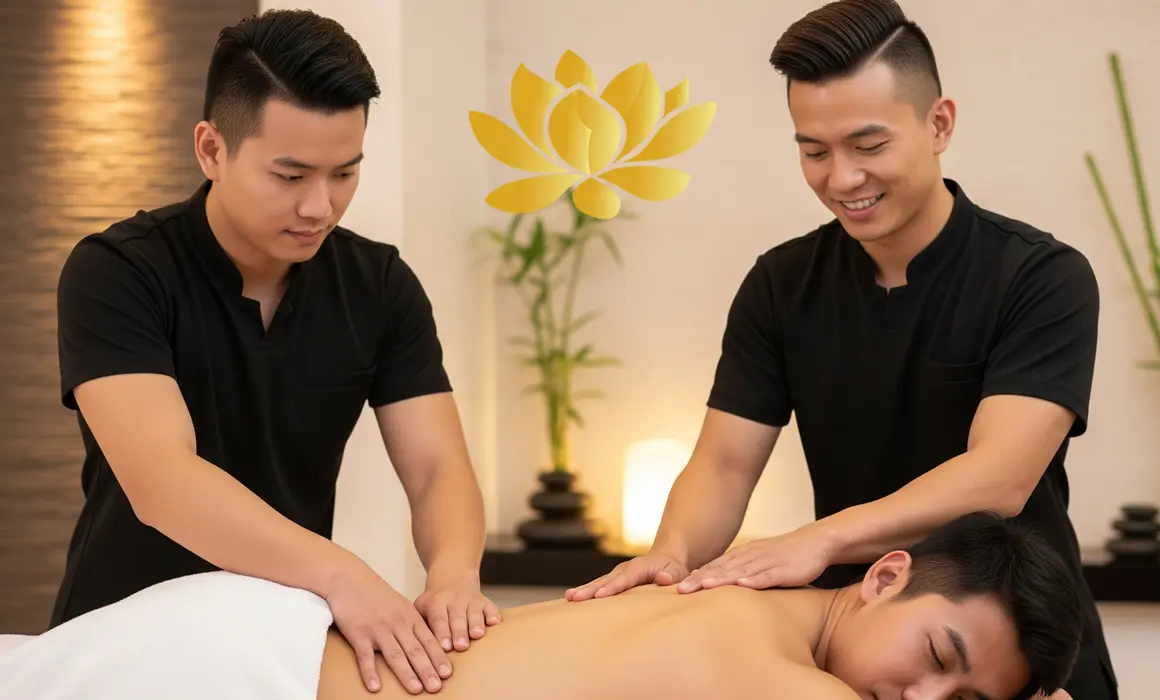
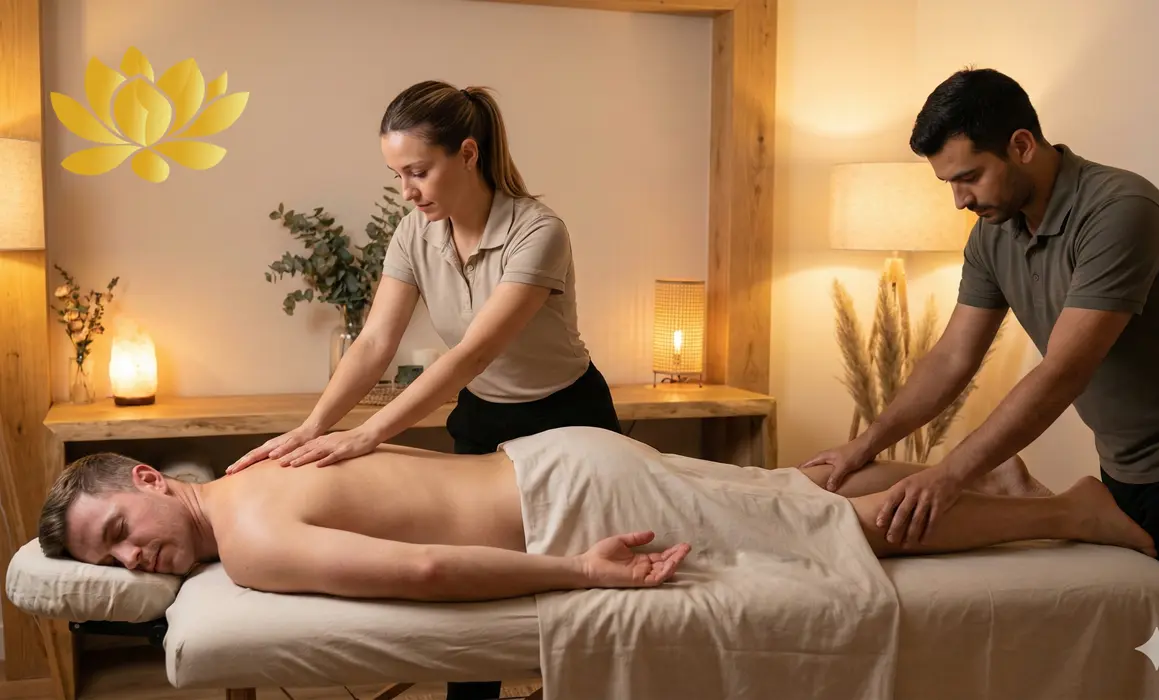
Relaxation massage is a therapeutic technique primarily focused on promoting a state of calm and tranquility through various massage methods. This type of massage employs gentle, soothing strokes that aim to ease muscle tension and enhance overall wellness. Common techniques used in relaxation massage include long, flowing strokes, kneading, and gentle pressure applied to different muscle groups, which facilitate relaxation throughout the body.
The primary goal of relaxation massage is to alleviate stress and physical tension, creating a balanced state of relaxation and well-being. This is achieved by stimulating the body’s natural relaxation response, which can help to lower heart rates and reduce levels of stress hormones. Individuals seeking relief from daily stressors, whether related to work, personal life, or other factors, often benefit significantly from regular sessions of relaxation massage. It can also serve as a preventative measure, helping individuals manage stress before it accumulates into more serious health concerns.
The health benefits of relaxation massage extend beyond temporary relief; numerous studies have demonstrated its efficacy in promoting mental clarity and emotional stability. Clients often report improvements in mood, better sleep quality, and enhanced overall feelings of well-being following a session. Testimonials frequently highlight how relaxation massage has become an essential component of their self-care routine, providing a necessary respite from the rigors of modern life. For many, these moments of tranquility can foster resilience against stress, ultimately contributing to a healthier and more balanced lifestyle.
In conclusion, understanding what relaxation massage entails, along with its techniques and benefits, allows clients to make informed decisions about their wellness choices. By prioritizing relaxation and self-care, individuals can successfully navigate the challenges of daily life.
Understanding Sensual Massage
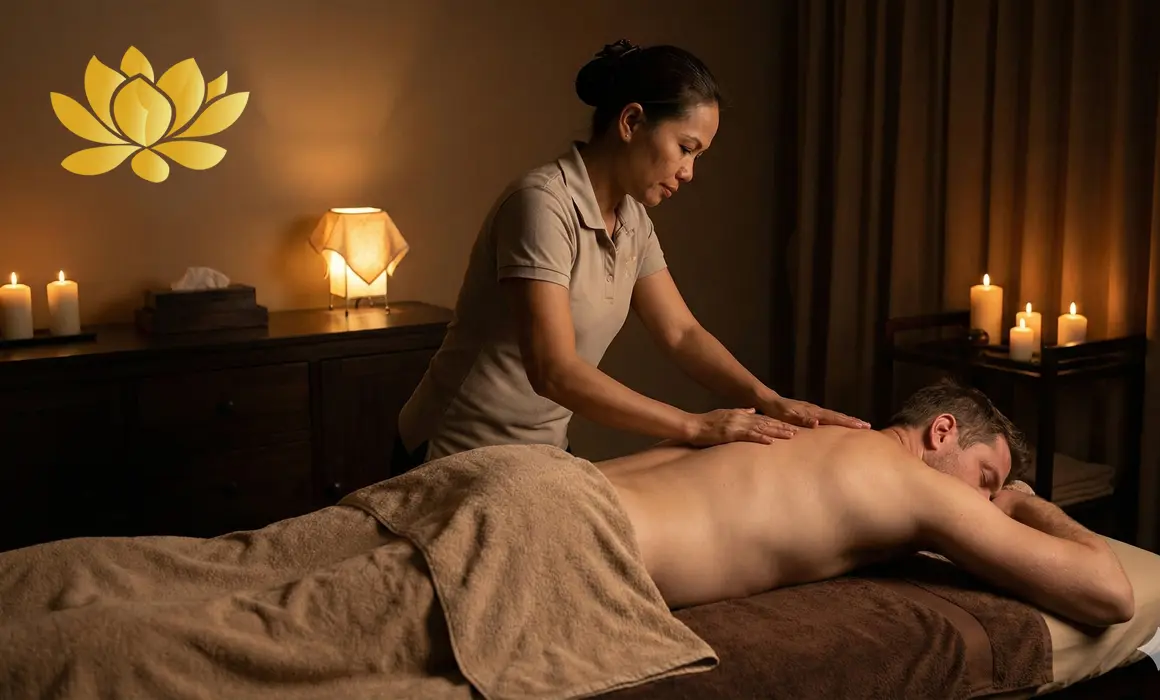
Sensual massage is a unique form of bodywork designed to awaken the senses and create an intimate, connecting experience between the giver and receiver. Unlike traditional relaxation massages, which primarily focus on alleviating muscle tension and promoting physical relaxation, sensual massage emphasizes emotional connection and sensory exploration. This practice encourages individuals to engage with their bodies on a more profound level, fostering personal awareness and intimacy.
The essence of sensual massage lies in its deliberate use of touch to bring about heightened awareness and pleasure. Techniques often include soft, lingering strokes that may target sensitive areas of the body. Among the various forms of sensual massage, practices like yoni massage, which focuses on female sexuality, and lingam massage, aimed at male pleasure, play significant roles in creating an enriching experience. These specialized forms not only promote physical arousal but also encourage emotional and spiritual bonding between partners.
An essential aspect of sensual massage is its intention. While relaxation massage serves to relieve stress and muscle tension, sensual massage is designed to deepen intimacy and connection. It often incorporates elements such as dim lighting, soothing music, and aromatic oils, all of which are instrumental in fostering a safe and nurturing environment. Practitioners may use gentle, rhythmic movements that mirror the flow of energy within the body, enhancing the overall experience.
Additionally, sensual massage can help individuals develop a greater understanding of their own bodies, leading to increased self-acceptance and confidence. By inviting participants to explore their sensuality in a safe space, it encourages them to communicate their desires and boundaries effectively. In doing so, this type of massage can transform not only physical sensations but also interpersonal dynamics, ultimately enriching the emotional connection between partners. This differentiation underscores the unique offerings of sensual massage compared to more conventional relaxation techniques.
Key Differences Between Sensual and Relaxation Massage
Sensual massage and relaxation massage, while both serve to promote well-being, have distinct differences that significantly influence the client’s experience. The primary intention behind each type of massage lays the groundwork for their unique approaches. Sensual massage is designed to create a heightened sense of awareness and stimulation of the senses, often leading to a more intimate atmosphere. In contrast, relaxation massage focuses primarily on alleviating physical tension and promoting deep states of relaxation, using techniques that prioritize stress relief and muscle relaxation.
The techniques employed in both forms of massage also differ notably. Sensual massage incorporates a variety of strokes that may include light, teasing touches that awaken sensitivity and enhance emotional connection. This form often employs elements like erotic massage or specific strokes aimed at erogenous zones, such as lingam massage or yoni massage, which aim to evoke pleasure and intimacy. Conversely, relaxation massage utilizes traditional techniques such as Swedish or deep tissue methods, concentrating on kneading and pressure along muscle fibers to relieve tension and restore balance in the body.
Another aspect that sets sensual massage apart is the emotional connection generated between the practitioner and the client. Sensual massage typically encourages openness, vulnerability, and deeper feelings of intimacy, while relaxation massage is generally more clinical and focused on physical results, creating a professional barrier where emotional connections may not be the primary goal. Overall, both types of massage offer valuable benefits, yet their goals diverge: sensual massage seeks to enhance pleasure and emotional bonding, while relaxation massage is aimed at physical comfort and therapeutic relief.
In conclusion, understanding these key differences can help clients make informed decisions based on their individual needs and desired outcomes from the massage experience.
Techniques Used in Relaxation Massage
Relaxation massage employs a variety of techniques designed to alleviate stress, promote well-being, and enhance overall relaxation. One of the most popular methods utilized in this practice is the Swedish massage technique. This technique involves long, gliding strokes, kneading, and circular movements on the topmost layers of muscle. The purpose of Swedish massage is to improve circulation, release muscle tension, and induce a state of calm. With its gentle approach, it effectively encourages relaxation while also enhancing flexibility and easing pain in different areas.
Another technique commonly found in relaxation massage is deep tissue massage. While it may sound intense, deep tissue techniques use slow, deliberate strokes and deep finger pressure to reach underlying layers of muscle and connective tissue. This approach is beneficial for those who experience chronic muscle tension or pain, as it focuses specifically on alleviating discomfort in deeper muscle layers. By addressing specific areas of tension, deep tissue relaxation massage can help promote further relaxation throughout the entire body.
Gentle stretching is also frequently incorporated into relaxation massage sessions. These passive stretches help lengthen the muscles, improve flexibility, and promote relaxation. The therapist carefully guides the client’s body through various stretches, allowing for a comprehensive release of tense areas. This technique not only aids in relieving muscle tightness but also enhances overall body awareness and encourages a deeper state of relaxation.
By combining techniques such as Swedish massage, deep tissue methods, and gentle stretching, relaxation massage aims to create a holistic experience that not only reduces physical tension but also nurtures mental calmness. Each technique serves a unique purpose in facilitating relaxation and stress relief, creating a truly beneficial experience for clients seeking to unwind. Thus, understanding these methods can help clients make informed choices when seeking a soothing relaxation massage.
Techniques Used in Sensual Massage
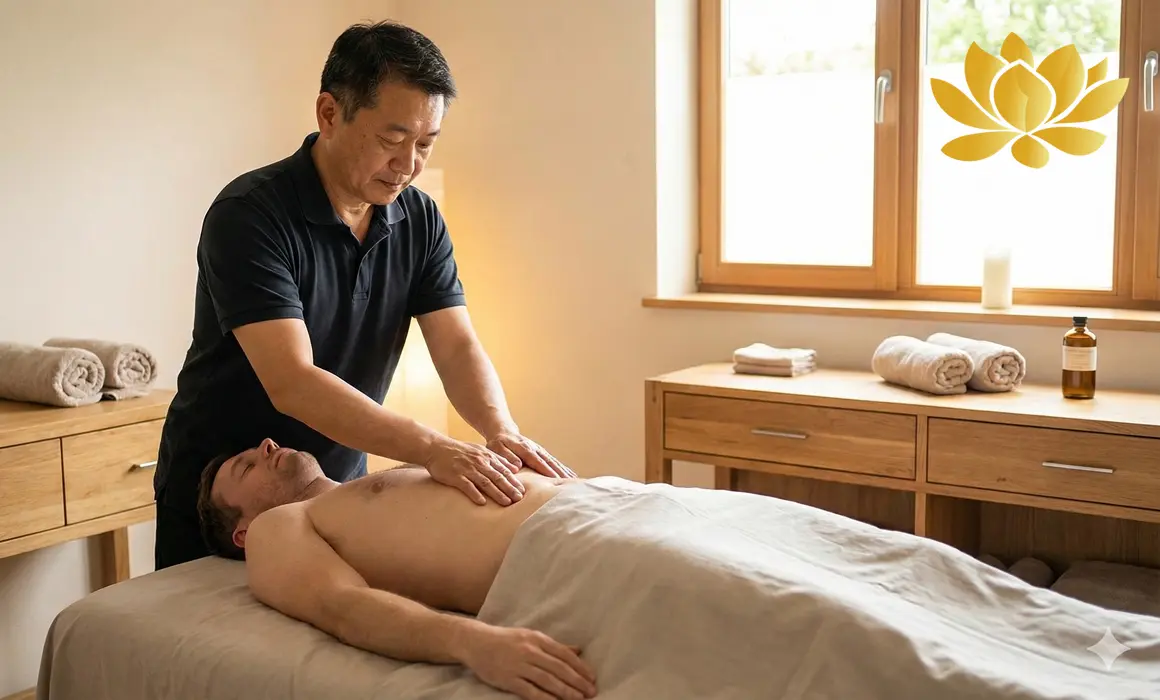
Sensual massage, distinct from traditional relaxation massage, employs a variety of techniques aimed at enhancing the intimate connection between the giver and the receiver. These techniques are meticulously designed to evoke heightened awareness and foster emotional bonds, thereby transforming the massage into a shared experience of closeness. The use of slow, deliberate strokes is a hallmark of sensual massage; these motions allow the recipient to fully immerse themselves in the moment, igniting their senses.
One prevalent technique found in sensual massage is prolonged touch. This method involves resting the hands on specific areas of the body longer than in a conventional massage, allowing the receiver to appreciate the warmth and pressure. This practice encourages a sense of safety and trust, ultimately building intimacy. Similarly, gentle caresses are often employed to create a soothing atmosphere, further inviting relaxation and connection. In many cases, practitioners may integrate various elements such as soft music, dim lighting, and aromatic essential oils to create an inviting environment conducive to a deeper sensory experience.
Another essential aspect of sensual massage is the focus on specific body areas, such as the back, neck, and limbs, with particular attention paid to erogenous zones. Techniques like lingam massage for males and yoni massage for females can enhance pleasure and foster deeper emotional ties. Practitioners emphasize the importance of communication, ensuring that both parties feel comfortable and attuned to one another’s needs and preferences throughout the session. By adopting these techniques, practitioners can elevate a sensual massage beyond physical touch, creating lasting memories that resonate on emotional, psychological, and physical levels.
Who Should Opt for Each Massage Type?
When considering the decision between a relaxation massage and a sensual massage, clients must assess their unique needs, preferences, and circumstances to determine which option is most suitable. A relaxation massage is often recommended for individuals who are seeking stress relief and overall well-being. This type of massage tends to focus on soothing muscle tension, enhancing circulation, and promoting a sense of tranquility. It is particularly beneficial for those experiencing the effects of stress or those engaged in physically demanding activities. Individuals recovering from injuries may also find relaxation massage helpful as it encourages healing and reduces discomfort.
On the other hand, a sensual massage is tailored for clients desiring to explore their sensuality or deepen their intimate connections, particularly in a couple’s setting. This type of massage incorporates elements that stimulate the mind and body, such as the application of sensual touch and atmosphere enhancement, fostering a heightened sense of awareness and connection. Couples who seek to rekindle intimacy or improve communication may benefit greatly from this experience, as it encourages a comfortable and trusting environment. Additionally, individuals exploring their own bodies and understanding their erotic responses may find a lingam or yoni massage to be particularly enlightening.
Ultimately, the choice between a relaxation massage and sensual massage depends on each client’s personal goals. A clear determination of whether one is looking for stress relief, emotional reconnection, or exploration of intimacy will guide the decision-making process. Clients should communicate openly with their massage therapists about their expectations and desired outcomes to ensure they receive the most appropriate form of therapeutic touch. This awareness will enhance the overall massage experience and achieve meaningful results specific to individual needs.
Potential Misconceptions and Myths
When considering various massage therapies, clients often encounter numerous misconceptions, particularly surrounding sensual and relaxation massages. One prevalent myth is that sensual massage is solely focused on sexual arousal. In reality, while sensual massage may involve intimate techniques, its primary intention is to promote relaxation, enhance emotional connection, and provide physical comfort. The integration of elements such as lingam or yoni massage can indeed be part of this approach, but the goals extend far beyond mere pleasure. Rather, these practices aim to foster a deeper understanding of one’s own body and create a safe space for exploring intimacy, ultimately contributing to overall well-being.
In contrast, relaxation massage is sometimes perceived as a superficial method devoid of therapeutic benefits. This misunderstanding undermines the profound effects that relaxation massage can have on the body and mind. Contrary to this belief, relaxation massage employs various techniques that relieve tension, reduce stress, and enhance overall health. Techniques like Swedish or deep tissue massage are highly effective at releasing muscle tightness, while also promoting circulation and aiding recovery from physical exertion. The benefits of relaxation massage are extensive, providing not only physical relief but also emotional ease and clarity.
Another misconception is that sensual massages are only for couples seeking to enhance their intimacy. However, sensual massage can be beneficial for individuals as well, allowing them to reconnect with their bodies and explore their own sensations without any pressure. Similarly, relaxation massage has a broader application than merely catering to those in need of stress relief; it can be an essential part of self-care for anyone seeking a moment of tranquility in their busy lives.
Educating clients on these key differences is vital for making informed choices regarding their massage therapy options. Understanding the true intentions behind sensual and relaxation massages empowers clients to embrace these therapeutic modalities without apprehension.
Conclusion: Choosing the Right Massage for You
When it comes to selecting between a sensual massage and a relaxation massage, it is essential to consider your personal needs, preferences, and intentions. Each massage type caters to distinct aspects of well-being, designed to create different experiences and outcomes.
A sensual massage, often characterized by its focus on intimate touch and connection, can be a profound way to enhance emotional intimacy and promote a sense of pleasure. Techniques such as lingam and yoni massage are specific to the anatomy and can facilitate deep relaxation while also awakening sensual energy. This form of massage is not just about physical touch; it engages the mind and spirit, creating a holistic experience that can elevate one’s emotional state and foster a deeper connection with oneself and a partner. The restorative aspects of sensual massage can significantly improve one’s mood and self-esteem.
On the other hand, a relaxation massage emphasizes relieving tension and alleviating physical discomfort through various techniques such as Swedish or deep tissue massage. This approach is often sought after for its therapeutic benefits, as it can enhance blood circulation, reduce muscle tension, and promote an overall sense of calm. Individuals looking solely for physical relief and relaxation may find this type of massage more suited to their needs.
In conclusion, understanding the unique benefits of both sensual and relaxation massages is fundamental when making a decision that aligns with your desires and requirements. Whether you seek the emotional depth of a sensual massage or the physical relaxation provided by a traditional approach, being informed will enable you to select the right experience to nurture your mind and body. It is advisable to reflect on what you hope to achieve and explore the options available to enhance your well-being.