





















Massage During Your Period: Comfort, Privacy, and Adjustments
Planning a massage during your period is mainly a decision about how you feel, what adjustments you want, and whether any symptoms need medical advice. You can ask for different positioning, lighter pressure, a bathroom break, or an omitted area. You can also reschedule without treating the change as a failure to keep a wellness routine.
Massage during your period should be a personal choice rather than a rule imposed by a package or calendar. A familiar day of mild discomfort is different from a new severe symptom. Start with your current experience, then decide whether an appointment would feel manageable and worthwhile.
Check your comfort before deciding to attend
Ask whether you feel well enough to travel, change, and remain in the proposed position. Consider cramps, fatigue, digestive discomfort, and how often you may want bathroom access. You do not have to wait until the last minute to tell the booking team that the plan may need adjusting.
Period symptoms differ between people and between cycles. Avoid using someone else’s experience as a standard for what you should tolerate. A massage may sound appealing on one day and inconvenient on another. Choose the day you have, rather than the day you expected when you booked.
If you have a condition that affects treatment suitability or instructions from a healthcare professional, follow that advice. A menstrual cycle does not replace the usual screening discussion about health, recent procedures, medicines, allergies, or an unexplained symptom.
Recognize when period pain deserves healthcare
Severe, worsening, unusual, or persistent pain should not be dismissed as something a spa treatment must fix. The MedlinePlus guide to period pain explains that painful periods can have different causes and identifies situations in which healthcare advice is important.
Seek advice when symptoms interfere with your usual life or differ significantly from your normal pattern. Fever with pelvic pain, unusual discharge, or sudden severe pain needs prompt assessment. If pregnancy is possible, mention that to the healthcare professional rather than assuming every episode of pelvic pain is an ordinary period.
The MedlinePlus information on painful menstrual periods gives further guidance about concerning symptoms. A massage therapist cannot establish the cause of pelvic pain through pressure or a conversation at reception. Get the right assessment and postpone the wellness visit when needed.
Share the information that helps the session
You can tell the therapist that you are menstruating if it helps explain your comfort needs, but you do not need to announce it to everyone at the venue. Ask for a private conversation when discussing symptoms or health information. State the practical request clearly.
For example: “I would like to avoid abdominal work, and lying face down is uncomfortable today. Could we discuss another suitable position and allow a bathroom break if needed?” This gives the practitioner useful information without requiring a long personal explanation.
If a practitioner seems dismissive, repeat the boundary or choose not to continue. You do not need a medical reason to decline work on an area. A treatment agreement should reflect what you want today, even if a previous appointment used a different routine.
Choose positioning before hands-on work begins
Try the proposed position briefly and explain what feels uncomfortable. Ask whether suitable pillows, a different starting position, or a seated or clothed service is possible. The provider may have limits based on training and equipment, so confirm the arrangement rather than assuming every alternative is available.
You might prefer to avoid pressure across your abdomen or remain in a position that makes a bathroom break easier. Keep the request specific and ask how turning will work. Moving slowly and discussing the transition can be more comfortable than trying to stay in a posture that does not suit you.
Review Wellnessville’s service descriptions and ask what the actual session includes. A full-body package does not obligate you to accept work on every listed area. Confirm whether your preferences can be accommodated within the chosen service.
Keep pressure choices separate from expectations about cramps
Ask for pressure that feels comfortable rather than requesting a more forceful treatment because symptoms are annoying. Stronger pressure is not a requirement for a useful appointment. If you find yourself bracing or wishing a technique would stop, speak up immediately.
Some people enjoy gentle work on familiar areas while others prefer no massage at all during their period. There is no need to make a universal claim from either experience. A wellness session should not be sold as a cure for a gynecological condition or a substitute for care.
The guide to Swedish and deep tissue pressure can help you discuss general labels. Let the actual sensation and your preferences guide requests during the appointment, rather than treating the label as permission to ignore discomfort.
Plan clothing and supplies without embarrassment
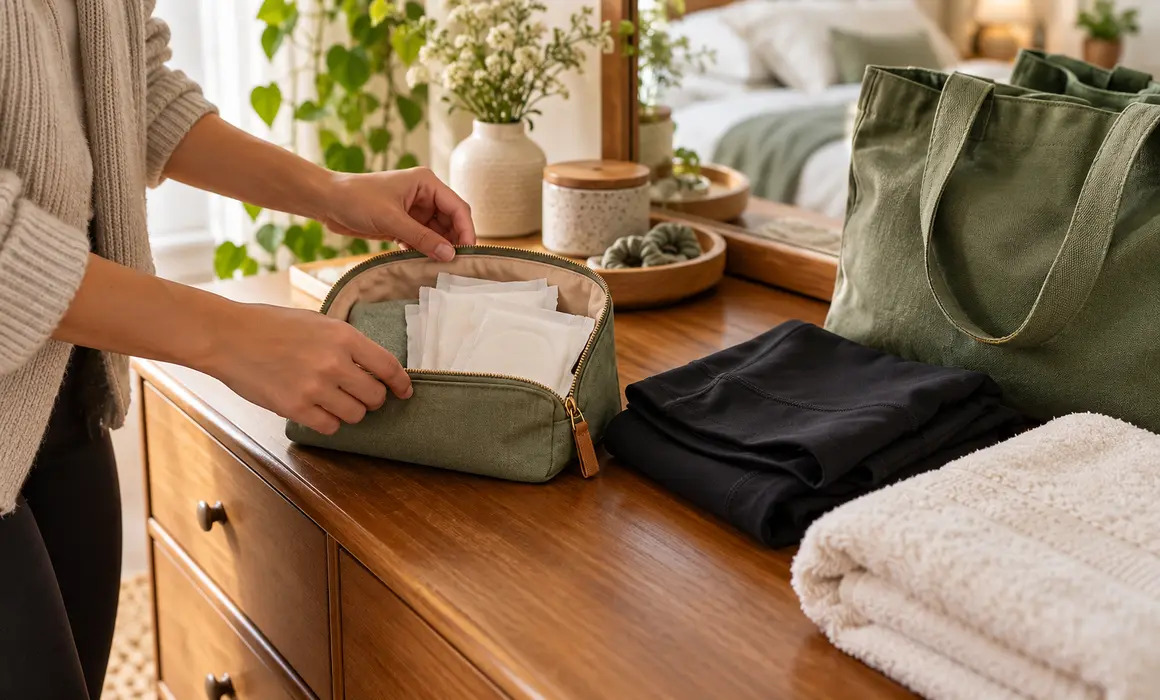
Choose clothing that is easy for you to manage and bring the menstrual supplies you normally use. There is no need to change to an unfamiliar product solely for the appointment. If you have questions about a product or a health concern, ask the appropriate healthcare professional.
Ask how changing and draping work before the session begins. You can keep underwear or other clothing on and ask whether the proposed service is compatible with that choice. A clothed alternative may be available, but it should be confirmed rather than assumed.
If an ordinary leak or another practical issue occurs, ask for a pause and the supplies or assistance you need. Staff can explain the venue’s procedures calmly. Personal comfort should not depend on pretending that routine bodily needs will never interrupt a service.
Make bathroom access part of the schedule
Ask where the restroom is and whether you can use it before changing. If you may need a break during treatment, agree on how to request it and how the practitioner will give you privacy. You do not need to wait until the end because a session has already started.
Also clarify how an interruption affects appointment timing. A provider may have a fixed booking window, so understanding the arrangement avoids uncertainty. If you expect to need more flexibility than the venue can provide, another time or setting may be more comfortable.
For a home appointment, prepare your usual supplies nearby and make sure the room setup leaves a clear route to the bathroom. A familiar environment can simplify logistics, but the therapist still needs to know how pauses and position changes will be handled.
Review optional add-ons individually
A package may include heat, a scrub, scented products, or stretching. Ask what is optional and whether an element can be omitted. A period is not a reason to assume every add-on is helpful, nor does it require you to accept a treatment simply because it is included in the price.
If you want to discuss a heat-based product or another self-care measure, follow appropriate healthcare and product guidance. Avoid using a treatment to distract from a new severe symptom. The choice to add something should be based on suitability and preference, not on a promise to remove every discomfort.
Keep the final plan simple enough to explain. A few clear preferences are easier to follow than an improvised series of changes made after treatment begins. Review them with the assigned therapist, even if you already sent them to reception.
Allow a change of plan on the day
If you feel worse or simply no longer want the appointment, contact the provider promptly and discuss rescheduling terms. Use Wellnessville’s official booking channels for a specific reservation. Do not assume a general article can establish cancellation rules or guarantee a fee waiver.
After a suitable session, notice whether the visit was comfortable and which practical arrangements helped. Continue seeking healthcare for symptoms that need attention. The useful outcome is a choice that respects your body, privacy, and preferences, whether that means attending, adjusting the appointment, or choosing rest instead.
Frequently Asked Questions
Do not use a spa appointment to predict or control your menstrual cycle. If your cycle changes or you are concerned about a missed period, seek appropriate healthcare advice rather than attributing the change to massage.
Ask the provider about its available practitioners and state the preference when inquiring. Availability depends on staffing and timing, so wait for confirmation before assuming the requested therapist can be assigned.
Facilities differ. Ask directly if this matters for your visit and bring your usual supplies when possible. A treatment venue should not be assumed to stock the brand or type you prefer.