







Spakol Meaning in the Philippines: How the Term is Used and Why Clarity Matters in Wellness Services
Understanding the Term ‘Spakol’
The term ‘spakol’ holds a unique place within the cultural and linguistic tapestry of the Philippines. It is derived from the combination of various local vernaculars, signifying not only a specific type of massage but also encompassing broader wellness services. Historically, the connotation of ‘spakol’ has evolved, adapting to the changing landscape of healing and wellness in contemporary society. In its essence, the word is often associated with local practices that promote relaxation and physical well-being.
In various contexts, ‘spakol’ is frequently linked with massage therapy, highlighting its role as a favored method for alleviating stress and tension. This connection is particularly strong among pinay massage therapists, who have popularized the term in both local and international spheres. The services offered under this umbrella can range from traditional modalities to modern adaptations, yet they all share a common goal: to enhance health and relaxation through physical touch.
Overall, understanding the term ‘spakol’ is integral to appreciating the nuances of wellness services in the Philippines. Its connotations not only highlight a specific practice but also celebrate the diverse healing traditions that continue to shape the well-being landscape in this vibrant nation.
Cultural Significance of Spakol
The term “spakol” holds a significant place in Philippine culture, serving as a reflection of the rich customs and traditions pertaining to health and wellness. In various regions, spakol encompasses a range of practices that highlight the Filipinos’ holistic approach to well-being. Traditionally, it is woven into the fabric of everyday life, illustrating communal ties and the importance of physical care and massage therapy. These practices showcase the belief that physical wellness is deeply intertwined with emotional and spiritual health.
Across the archipelago, the interpretation of spakol may vary, but its core essence remains unchanged. In many communities, it is linked to local healing rituals and the expertise of pinay massage therapists who are often regarded as custodians of indigenous knowledge. They apply techniques passed down through generations, emphasizing the therapeutic benefits of natural healing methods that resonate with the Filipino identity. For instance, in coastal areas, local variations may incorporate sea elements, while inland communities may utilize traditional herbs and oils, all under the umbrella of spakol.
Wellness Services: An Overview
Wellness services encompass a broad range of practices and treatments aimed at enhancing an individual’s physical, mental, and emotional well-being. In the context of the Philippines, the term ‘spakol’ plays a significant role in shaping the perception and delivery of these services. Typically, wellness services include elements such as massage therapy, holistic practices, spa treatments, and alternative medicine therapies. These services are designed to promote relaxation, stress relief, and overall health, contributing markedly to the community’s approach to self-care and health maintenance.
Massage therapy, for example, is one of the most well-known wellness services that has gained considerable traction in the Philippines. Pinay massage therapists often provide techniques ranging from traditional Filipino hilot to modern therapies, each focusing on unique benefits such as pain relief, improved circulation, and enhanced flexibility. These massage services are integral to wellness offerings, highlighting the importance of culturally rooted practices that resonate with local beliefs and traditions.
Beyond massage therapy, wellness services also encompass spas, where various treatments such as facials, body scrubs, and aromatherapy are offered. These services aim to rejuvenate the body and provide a tranquil environment for relaxation. Furthermore, alternative medicine practices, including acupuncture and herbal medicine, have gained popularity in recent years, reflecting a growing inclination towards holistic approaches to health. As such, the term ‘spakol’ reflects not just a singular element but a convergence of diverse practices that cater to the wellness needs of Filipinos, showcasing the significance of understanding and communicating the meaning behind these terms in the wellness industry.
The Role of Terminology in Wellness

In the realm of wellness services, precise terminology plays a vital role in ensuring effective communication between practitioners and clients. Terms like “spakol,” which refers to a specific form of massage therapy, can hold varying interpretations within different cultural contexts, particularly in the Philippines. When practitioners, like pinay massage therapists, utilize specific terminologies without adequate explanation, misunderstandings can arise, potentially impacting the quality of service delivered.
The consequences of ambiguous terminology in wellness services can range from minor inconveniences to significant dissatisfaction. For instance, a client seeking relaxation might prefer a gentle massage therapy technique, whereas a therapist may interpret their request differently based on their own understanding of the term “deep tissue.” If the terminology used is not aligned, it could lead to a mismatch in expectations, resulting in an unsatisfactory experience for the client. This misunderstanding emphasizes the necessity for clear definitions and consistent language across the industry.
Furthermore, clarity in communication extends beyond just the client-therapist relationship; it is also crucial for setting industry standards. Wellness providers who establish and adhere to specific definitions for terms like “spakol” and other massage techniques foster a uniform understanding of services among practitioners and clients alike. This standardization not only enhances service delivery but also empowers clients to make informed choices regarding their wellness options.
In summary, the importance of precise terminology in wellness services cannot be overstated. By fostering clear communication and understanding of wellness terms, providers can significantly enhance client satisfaction, improve service outcomes, and ultimately contribute positively to the overall wellness experience.
Benefits of Clarity in Wellness Services
Clarity in wellness services, particularly in the context of terms like ‘spakol’, plays a crucial role in ensuring a positive experience for clients and service providers. One of the primary benefits of clarity is improved client satisfaction. When clients understand what services entail, including the specific techniques employed by Pinay massage therapists, they are more likely to feel comfortable and secure in their choices. Clear definitions eliminate confusion and make it easier for clients to set their expectations, ultimately leading to a more fulfilling experience with massage therapy.
Moreover, clarity fosters trust between clients and service providers. When terms are well-defined, clients can have confidence in the services they are receiving. For instance, if a massage therapy session is marketed as focusing on relaxation, clients should know exactly what to expect, which enhances the overall therapeutic journey. Trust is an essential component of effective wellness services, and when clients feel that they are thoroughly informed, they are more likely to return and recommend the service to others.
Another notable advantage is the potential for improved communication. Clear definitions reduce the risk of misunderstandings; this is particularly relevant in diverse settings where various cultural interpretations may arise. Service providers, particularly those who are Pinay massage therapists, can facilitate conversations about their techniques and offerings, making it easier to align with client needs. Real-life testimonials often reflect this, as clients who experienced clarity in their service descriptions frequently highlight their satisfaction with the outcomes. For example, a client might share how understanding the term ‘spakol’ enhanced their massage experience by ensuring they received a tailored service that effectively addressed their stress points. Therefore, clarity is not just a matter of semantics—it fundamentally enhances the wellness experience.
The Evolution of Wellness Terminology in the Philippines
Over the years, the wellness industry in the Philippines has evolved significantly, leading to a transformation in the terminology used to describe various practices. One term that has notably changed is “spakol,” which originally referred to a traditional form of massage therapy. Traditionally, spakol has been perceived as a healing practice, encompassing a variety of techniques passed down through generations. With the growing popularity of wellness services, spakol has seen a shift in application and understanding, often categorized alongside contemporary massage therapies that blend both traditional and modern techniques.
The influence of globalization has played a pivotal role in this evolution. As international wellness trends penetrate the Philippine market, traditional practices have become intermixed with Western massage therapies, such as aromatherapy and Swedish massage. This fusion has resulted in the emergence of new terminologies and approaches, expanding the local lexicon surrounding wellness services. Pinay massage therapists, for instance, now adopt both traditional techniques and contemporary methods, allowing them to cater to a more diverse clientele that seeks various wellness solutions.
This blend of old and new reflects a broader global trend where the appreciation of traditional wellness practices coexists with an increasing demand for innovative and holistic approaches. Additionally, as wellness tourism gains traction in the Philippines, understanding the nuances between terms such as spakol, massage therapy, and other therapeutic modalities becomes essential. Clients are now more discerning about the services they seek, which further emphasizes the need for clarity in wellness terminology. Consequently, it is crucial for both practitioners and clients to grasp the significance of these terms to ensure the best therapeutic experiences and outcomes in massage therapy and beyond.
Challenges in the Wellness Industry
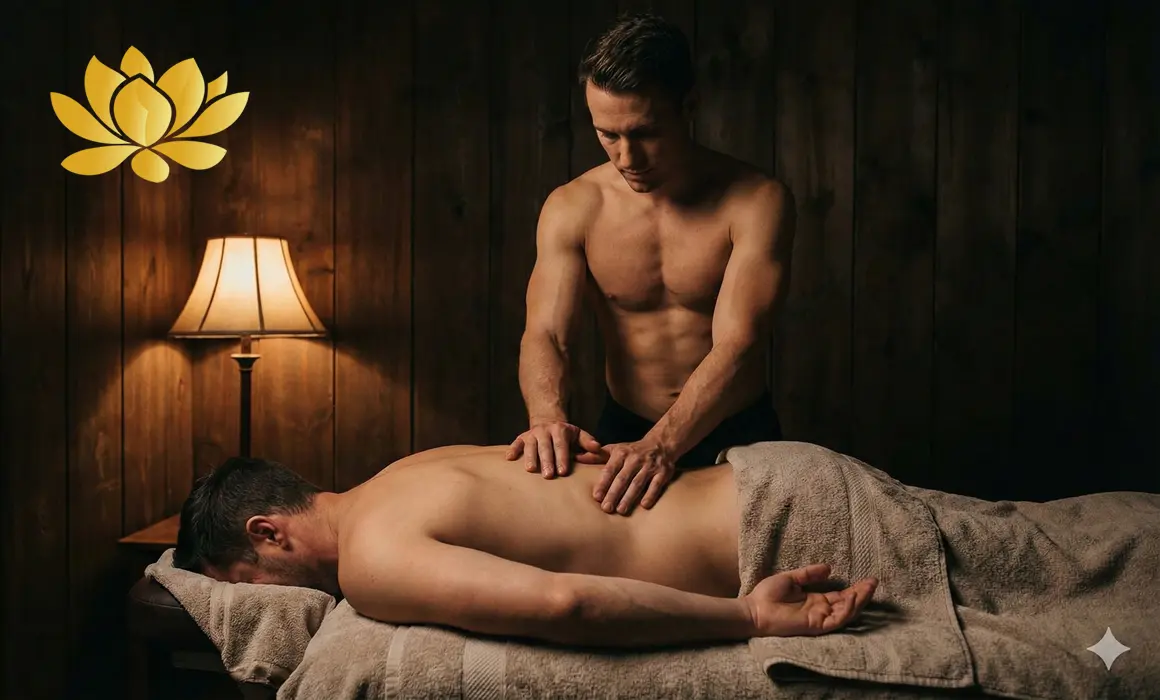
The wellness industry in the Philippines faces a myriad of challenges, particularly when it comes to the interpretation of terminologies such as ‘spakol.’ One of the primary issues revolves around the inconsistent understanding of wellness services among consumers and service providers. This discrepancy can lead to customer dissatisfaction, especially when expectations are not met, and the services rendered do not align with clients’ perceptions of what a treatment entails. For example, what some may define as a traditional massage therapy might vary significantly from the services offered by pinay massage therapists, resulting in confusion within the marketplace.
Additionally, regulatory challenges play a crucial role in the wellness industry. The absence of a standardized framework for service definitions can create confusion and misinterpretation of wellness practices. This gap makes it difficult for business owners to navigate legal requirements and ensure compliance, which can further exacerbate the variation in service delivery standards. As a result, consumers may feel insecure about the credibility and safety of wellness services, including those labeled as spakol, as they are left to decipher the quality and authenticity of these offerings.
Cultural differences also significantly impact the expectations surrounding wellness services. The Philippines is a melting pot of cultures, each with its own practices, beliefs, and attitudes towards health and wellness. As such, pinay massage therapists may offer services influenced by their cultural backgrounds, which could lead to differing customer expectations. Some may anticipate a more holistic approach, while others might seek more targeted therapeutic interventions. These cultural nuances underline the need for clarity in wellness terminologies, as misunderstandings can detract from the overall effectiveness of services and diminish customer trust in the industry.
Case Studies: Spakol in Wellness Services
The term ‘spakol’ has become an integral part of the wellness services landscape in the Philippines. Various case studies exemplify how this term is applied in different environments, emphasizing both successful implementations and areas that require further refinement. One notable instance involves a wellness center in Metro Manila that integrated the term ‘spakol’ into its branding. The center offered a comprehensive range of services, including traditional massage therapy and modern wellness treatments. This establishment effectively utilized the term to attract clientele who sought the authentic experience of Filipino wellness practices. Feedback from clients indicated that the clear articulation of what ‘spakol’ represented enhanced their trust and satisfaction with the services received.
Conversely, another case study reveals a massage therapy center that faced challenges due to ambiguous messaging surrounding ‘spakol.’ While the establishment offered services rendered by skilled Pinay massage therapists, clients were often confused about the nature of the services provided under the ‘spakol’ branding. This confusion ultimately led to a decline in customer retention and referrals. To address this issue, the center reevaluated its marketing approach and began to provide educational materials that clarified the term ‘spakol’ and its association with specific wellness practices. As a result, client comprehension and satisfaction improved significantly, demonstrating the importance of clear terminology in the wellness sector.
These case studies underscore the importance of a clear understanding of ‘spakol’ in the wellness context. Whether successfully utilized or needing improvement, the term plays a critical role in shaping client perceptions and experiences in massage therapy and related services. Best practices emphasized include maintaining transparency in service offerings and educating clients on the significance of wellness terminology. These insights not only support practitioners but also enhance the overall quality of the wellness experience delivered to clients in the Philippines.
Conclusion: Moving Forward with Clarity
In the landscape of wellness services, particularly regarding the term ‘spakol’ in the Philippines, clarity is paramount. The ambiguity surrounding wellness terminology can lead to misunderstandings between service providers and consumers, ultimately affecting client satisfaction and the perceived value of services like massage therapy. Clear definitions can enhance the delivery of services offered by pinay massage therapists, ensuring that clients are fully informed about what they are purchasing. This clarity not only fosters trust but also empowers clients to make informed decisions about their wellness experiences.
To improve understanding, service providers should adopt standardized language around services and the practices included within them. This could involve creating brochures, websites, and consultations that present clear and concise descriptions of different wellness offerings. It is essential for therapists to delineate the techniques involved in their services and the expected outcomes, which will alleviate confusion regarding terms like ‘spakol.’ By doing so, clients can better understand what to expect, leading to a more satisfying and effective wellness experience.
Moreover, further research is warranted in the area of wellness terminology, specifically focusing on how terms like spakol evolve and how cultural perceptions shape their meanings. Engaging in discussions within the community could aid in gaining comprehensive insights into the evolving nature of wellness services in the Philippines. Continuous collaboration among service providers, clients, and industry regulators can ensure that the language remains relevant and resonates with the cultural context. Such efforts would contribute to a more informed consumer base, further enhancing the reputation of wellness services and the professionalism exhibited by massage therapists.


