
Introduction to Extra Services in Massages
The term “extra service” in the context of massage therapy often carries various connotations, leading to significant misunderstandings about what legitimate spas offer. Society’s perception of extra services typically veers towards the salacious, particularly associating them with erotic massage or sensual massage. While it is vital to acknowledge that these interpretations exist, it is equally important to differentiate between the various services provided in reputable wellness establishments and those misrepresented by stereotypes.
Authentic wellness centers focus primarily on the benefits of massage therapy for relaxation, rehabilitation, and overall well-being. These establishments may offer outcall massage services, where a certified therapist brings their expertise into the comfort of one’s home. In such cases, the emphasis remains on the therapeutic aspect rather than any extrinsic experiences that could be misconstrued. The presence of extra services is not inherently negative; however, the confusion arises when they are mischaracterized.
It is crucial to navigate through the myths surrounding extra services to appreciate the value embedded in legitimate practices. While some individuals may seek erotic massage as an expression of intimacy or personal pleasure, various misconceptions overshadow the extensive array of services offered by skilled professionals. These can include soothing foot massages, deep tissue techniques, or even holistic treatments meant to restore balance and enhance wellness. Understanding the full spectrum of available services allows clients to make informed decisions without falling prey to stereotypes.
Through this examination, we aim to debunk inaccurate assumptions and shine a light on the authentic offerings within the massage therapy landscape. By fostering a comprehensive understanding of what extra services entail, individuals can better appreciate and access health-enhancing experiences that massage therapy provides.
Understanding Massage Therapy: What to Expect
Massage therapy is a professional practice aimed at enhancing physical and mental well-being through the manipulation of the body’s soft tissues. Legitimate spas offer a variety of massage types, each designed to address specific needs and provide therapeutic benefits. Among the most common styles are Swedish massage, deep tissue massage, sports massage, and aromatherapy massage. Each of these modalities has unique characteristics tailored to facilitate relaxation, relieve tension, alleviate pain, and improve circulation.
Swedish massage, known for its gentle techniques, primarily focuses on relaxation. It involves long, flowing strokes, kneading, and gentle tapping, which increase blood flow and promote overall wellness. Conversely, deep tissue massage applies more intense pressure targeting deeper layers of tissue. This style is particularly beneficial for individuals with chronic pain or issues related to sports injuries. Sports massage combines techniques from both Swedish and deep tissue approaches and is tailored specifically for athletes, helping to prevent and treat injuries while improving performance and recovery.
Aromatherapy massage further enhances the experience by incorporating essential oils, which can provide additional physical and emotional benefits. Each oil is chosen based on its therapeutic properties, allowing clients to experience the soothing effects not only of the massage but also of the fragrances. These contrasting techniques highlight the diversity within the field of massage therapy and its ability to cater to various preferences and health requirements.
Professional standards in massage therapy demand that certified therapists adhere to ethical practices, ensuring a safe and respectful environment for their clients. Legitimate spas strictly follow these protocols, distinguishing them from establishments that may offer services deviating from recognized therapeutic practices. It is crucial to recognize that while some may conflate massage therapy with erotic or sensual massage, legitimate spas maintain a clear boundary, focusing instead on health and therapeutic outcomes.
Myth #1: All Massage Therapists Offer Sexual Services
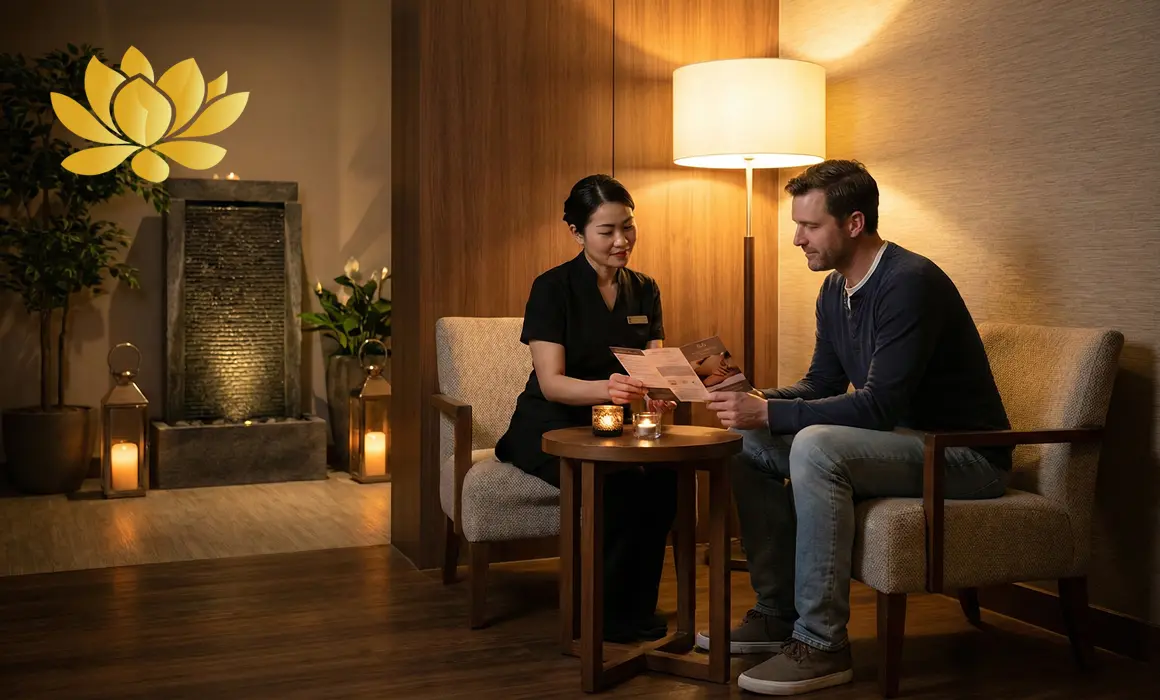
The belief that all massage therapists engage in sexual services is a widespread misconception that can stem from various sources, including media portrayals and a general lack of understanding about the profession. In reality, legitimate massage therapy is rooted in therapeutic practices aimed at promoting physical and mental well-being. The primary focus of certified professionals is to facilitate healing, alleviate pain, and reduce stress through techniques that enhance the body’s natural healing processes.
While the term “massage” itself may evoke notions of sensuality for some, the practice is fundamentally distinct from sexual services such as erotic massage or sensual massage. Most massage therapists are bound by strict ethical codes and the laws of their respective regions, which prohibit any engagements that deviate from the standards of professional practice. This delineation is crucial, as it allows massage therapy to be recognized as a respectable healthcare profession. Furthermore, consistent education within the field emphasizes maintaining professionalism and establishing clear boundaries with clients.
Moreover, the unfounded association of massage therapy with sexual services can adversely affect the perception of qualified therapists and their establishments. Quality spas and wellness centers prioritize client education, transparency, and awareness, often working diligently to dispel myths that might tarnish their reputation. The growing field of massage therapy, particularly with offerings like outcall massage service, addresses clients’ needs for relaxation and rehabilitation without compromise. Therefore, comprehending the true nature of massage therapy is essential, not only to appreciate the dedication of practitioners but also to avail oneself of the myriad benefits this service can provide without the bias of wrongful assumptions.
Myth #2: You Can Get Extra Services at Any Spa
One of the prevalent myths surrounding the massage therapy industry is the misconception that all spas provide extra services, including erotic and sensual massage. While it is true that some establishments may claim to offer such services, it is crucial to distinguish between legitimate spas that prioritize health and wellness and those that engage in unethical practices. Reputable spas focus on providing top-quality therapeutic experiences designed to promote relaxation, relieve stress, and support overall well-being.
Legitimate spas are typically accredited and staffed by skilled professionals who are trained in a variety of massage techniques, including outcall massage service options that cater to clients in the comfort of their own homes. These establishments adhere to strict ethical standards and are committed to offering treatments that enhance physical and emotional health. In contrast, places that promote extra services often operate outside of regulatory supervision, which can pose significant risks to clients, both in terms of safety and the quality of service provided.
Clinics and wellness centers that specialize in massage therapy typically emphasize their dedication to holistic approaches, ensuring that clients receive treatments like Swedish massage, deep tissue, or sports massage without any hidden agendas. It is essential for consumers to do their due diligence by researching and reading reviews of establishments and understanding their offerings fully before booking an appointment. By choosing accredited facilities that uphold ethical standards, clients can ensure they receive a legitimate service focused solely on their health and well-being, rather than falling prey to the false allure of extra services.
Misconception: Extra Services Are Normal in the Industry
One of the most pervasive misconceptions surrounding massage therapy is the belief that extra services, particularly those of a sexual nature, are a standard or expected aspect of the industry. This notion often leads clients to harbor unrealistic expectations about the nature of professional massage services. Many may mistakenly assume that erotic massage or sensual massage is a common practice among licensed professionals, which can compromise the integrity of legitimate massage therapy practices.
In reality, certified massage therapists adhere to strict ethical guidelines that prioritize the physical and emotional well-being of their clients. The focus of therapeutic massage is to alleviate pain, reduce stress, and promote relaxation through skilled techniques that target various muscle groups. The introduction of inappropriate services not only threatens professional accountability but also undermines the therapeutic benefits intended in a massage session.
The prevalence of this misconception can create a challenging atmosphere for qualified therapists. Therapists may find themselves facing uncomfortable advances or pressure from clients seeking outcall massage services that imply something beyond standard practice. This situation can lead to ethical dilemmas for practitioners who are committed to maintaining their professionalism and respecting client boundaries.
Furthermore, such misunderstandings can damage the overall perception of the massage therapy industry. Potential clients who are unaware of the distinctions between legitimate therapy and those establishments offering illicit services may feel apprehensive about seeking help from certified professionals. It is crucial for both clients and practitioners to foster a clearer understanding of what to expect during a professional massage therapy session, focusing solely on the therapeutic, restorative aspects instead of misguided assumptions of extra services.
Identifying Legitimate Spas and Their Offerings
When searching for a quality massage therapy experience, identifying legitimate spas is crucial to ensure that clients are provided appropriate services in a safe environment. Start by verifying the accreditation of the spa. Legitimate spas typically hold licenses issued by relevant health authorities or professional organizations. This certification not only signifies adherence to industry standards but also indicates that the therapists are trained in various forms of massage therapy, including but not limited to, Swedish, deep tissue, and prenatal massage.
Another essential factor to consider is the professional licenses of the massage therapists themselves. A licensed massage therapist (LMT) should have completed extensive training and education, often encompassing a minimum number of hours in anatomy, physiology, and hands-on practice. Ensure that the spa can display proof of these qualifications prominently.
Customer reviews can also serve as an invaluable resource when discerning the legitimacy of a spa. Online platforms, such as Yelp or Google Reviews, can provide insights into previous clients’ experiences, highlighting the quality of services offered. Reputable establishments will often have a higher number of positive reviews detailing services such as outcall massage service or traditional massage therapy without any mention of erotic massage or sensual massage unless explicitly stated as part of their offerings.
When exploring the types of services available, legitimate spas often provide a diverse menu that focuses on wellness rather than extra service that crosses ethical boundaries. Look for services that are well-defined, and the descriptions of these offerings should align with industry standards. Additionally, do not hesitate to inquire directly about any ambiguities in their services. A reputable spa should have transparent communication regarding their massage therapy options, ensuring clients feel comfortable and informed about the services they are receiving.
By combining these elements—accreditation, licenses, customer feedback, and clarity in service offerings—clients can better navigate the complexities of the massage therapy industry and identify spas that uphold ethical practices.
Professional Boundaries: The Ethical Guidelines
In the field of massage therapy, maintaining professional boundaries is essential to ensure a safe and respectful environment for clients. Ethical guidelines play a critical role in shaping the conduct of practitioners, thereby fostering trust and enhancing the therapeutic benefits of the session. Fundamental to these guidelines is the concept of informed consent, which requires massage therapists to obtain explicit permission from clients before proceeding with any treatment. This ensures that clients are fully aware of the nature of the services provided and can set their own comfort level regarding the boundaries of the session.
Massage therapy is built on principles that prioritize the well-being and comfort of clients. This includes establishing clear professional boundaries, which delineate the therapeutic relationship from personal interactions. Practitioners are trained to create an environment where clients feel secure, respected, and valued. By doing so, therapists can effectively address clients’ physical and emotional needs without crossing ethical lines. The practice of outcall massage service further amplifies the need for stringent adherence to these protocols, as therapists work in clients’ personal spaces where privacy and mutual respect are paramount.
Additionally, it is vital for therapists to understand the various types of massage services they may offer. While some sessions, such as sensual massage or erotic massage, may be marketed as “extra services,” they can potentially blur the lines of professional ethics. Legitimate massage therapy practices do not engage in inappropriate conduct or exploitation, as such actions can tarnish the reputation of the profession and jeopardize client safety. Ultimately, adhering to ethical guidelines ensures that practitioners deliver services with integrity, reinforcing the value of massage therapy while upholding the highest standards of professionalism.
What Clients Should Expect During a Professional Massage
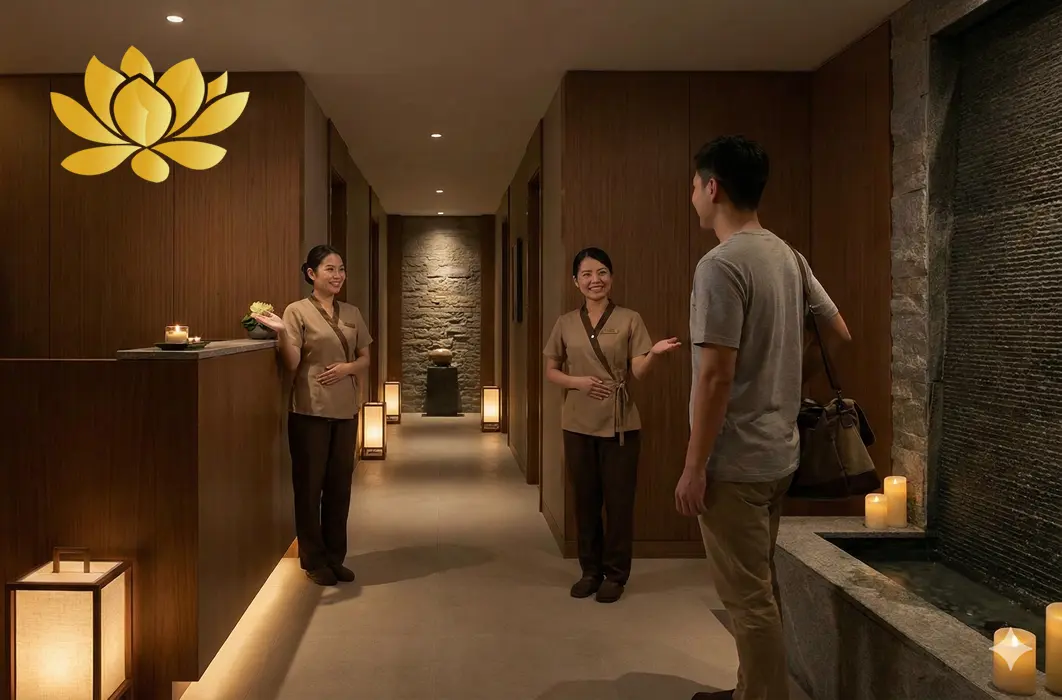
When clients book a session at a reputable spa or wellness center, they can anticipate a structured and professional massage experience tailored to their needs. The process typically begins with a thorough consultation between the client and the massage therapist. This initial discussion is vital as it allows the client to express any specific areas of discomfort, preferences for pressure, and other personal requirements. The massage therapist will also inquire about medical history or any conditions that may affect the treatment, ensuring a safe and effective session.
After the consultation, clients will often be guided to a private room, where they will be instructed on how to prepare for the session. At this time, clients can expect to undress to their comfort level, often using provided sheets or towels to maintain modesty while receiving the massage therapy. The environment is usually soothing, designed to promote relaxation with dim lighting, tranquil music, and pleasant aromas from essential oils.
During the session, the therapist will employ various techniques, such as Swedish, deep tissue, or sports massage. Each technique is chosen based on the feedback received during the consultation and the desired outcome. Clients should be aware that while some may seek a more sensual massage or erotic massage experiences, professional establishments adhere strictly to ethical guidelines, prioritizing a therapeutic approach over any suggestive or intimate service. The session will conclude with aftercare advice that may include hydration recommendations or stretches to enhance the benefits of the massage and ensure client well-being.
By understanding these aspects of a massage session, clients can alleviate misconceptions and make informed decisions about their massage therapy experiences.
Conclusion: Promoting Awareness and Professionalism in Massage Therapy
The discussion surrounding extra services in massages often generates a variety of myths and misconceptions. As individuals seek therapeutic experiences, it is crucial to promote an understanding of what legitimate spas offer. Evidence suggests that a significant portion of clients may equate certain types of massage, such as erotic or sensual massage, with standard therapeutic practices, leading to confusion about the nature of these services. It is essential for clients to differentiate between licensed massage therapy, which focuses on wellness and rehabilitation, and other forms that do not adhere to professional standards.
Awareness and education around the offerings of legitimate massage therapy practices can help debunk prevalent myths. Legitimate spas diligently uphold professional integrity by ensuring that their services, including outcall massage service, align with established ethical guidelines. By encouraging clients to seek certified professionals, the industry can protect itself from unqualified practitioners who may misrepresent their services. Promoting professionalism within massage therapy not only safeguards the reputation of those who are genuinely skilled but also enhances the overall experience for clients seeking therapeutic benefits.
Moreover, support from clients in recognizing and appreciating professional standards contributes to the broader efforts of massage therapists dedicated to quality care. By fostering a greater understanding of what constitutes appropriate practices, industry participants can collectively work towards elevating the standards of massage therapy as a whole. As more individuals become informed about the legitimate services offered at reputable spas, the stigma associated with massage therapy may diminish, allowing practitioners to flourish in a community that values both integrity and quality. In conclusion, promoting awareness and professionalism is vital in ensuring that the field of massage therapy continues to thrive in a respectful and meaningful manner.


