





Pinay Massage Therapists: Culture, Training, and the Rise of Filipino Wellness Services
Introduction to Filipino Massage Therapy
Filipino massage therapy, a vibrant embodiment of the Philippines’ rich cultural heritage, serves as a testament to the country’s unique historical evolution. For centuries, the practices inherent in Filipino wellness have been informed by a blend of indigenous traditions, Spanish colonial influences, and the broader Asian healing arts. This exceptional fusion has contributed to the development of various massage techniques, such as the traditional hilot, which not only addresses physical ailments but also emphasizes spiritual healing and emotional balance.
The emergence of Pinay massage therapists in contemporary wellness settings symbolizes a modern adaptation of these time-honored practices. As global interest in holistic health continues to expand, many Filipino practitioners are gaining recognition for their expertise in diverse techniques, including lingam massage, which reflects a specialized understanding of male anatomy and energy release. Techniques like this highlight the comprehensive nature of Filipino massage therapy and underscore its potential as a vital extra service in wellness spaces.
ADAPTABILITY is a key trait that has allowed Filipino massage therapies to thrive in today’s globalized wellness industry. In response to increasing demand for personalized relaxation experiences, many traditional methods have been redefined to create modern treatments like tantric massage, which incorporates elements aimed at enhancing intimacy and connection. This evolution showcases the profound skills and adaptability of Pinay massage therapists who are committed to maintaining cultural integrity while catering to contemporary wellness trends.
As we delve deeper into this exploration of Filipino massage therapy, it is essential to recognize the invaluable contributions of Filipino women in honing these practices. Their dedication not only enriches the therapeutic landscape but also fosters cultural appreciation and understanding within the broader context of wellness services. The rise of Pinay massage therapists is a poignant reminder of the enduring legacy and relevance of Filipino healing traditions in an ever-evolving wellness industry.
Cultural Significance of Massage in the Philippines
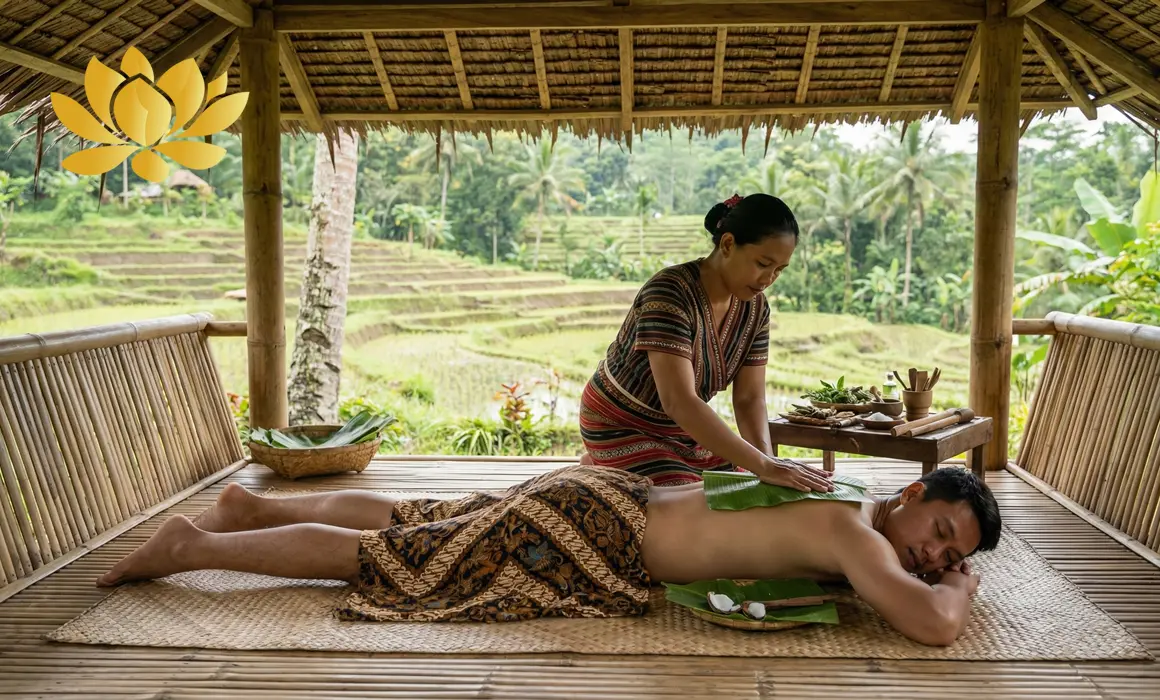
Massage holds a profound place in the cultural tapestry of the Philippines, intertwining ancient healing practices with deep-rooted family and community connections. Among the traditional methods is ‘hilot,’ a form of Filipino massage that goes beyond mere physical manipulation. Hilot is often regarded as a holistic therapeutic technique, utilizing natural oils and the practitioner’s intuitive touch to restore balance and promote healing within the body. This practice is steeped in history, dating back to pre-colonial times, and it encapsulates the rich heritage and spirituality of the Filipino people.
Hilots are trained individuals who often learn the art through family traditions, where knowledge is passed down through generations. It is not uncommon for families to seek the services of a hilot during times of illness or discomfort, signifying a deep reliance on this practice as part of their wellness routine. This interconnectedness highlights the role of massage not only as a means of physical treatment but also as a way of nurturing family ties and fostering community support. Furthermore, hilot incorporates ancestral wisdom, often addressing both the physical symptoms and the emotional or spiritual elements associated with them.
As Filipino society evolves, so too do its massage practices. Contemporary approaches, such as lingam massage and tantric massage, have begun to emerge alongside traditional techniques. These modern services are increasingly offered by Filipino wellness centers, bridging the gap between the healing philosophies of ancient practices and the contemporary understanding of holistic wellness. Regardless of the technique, the cultural significance of massage in the Philippines continues to thrive, underscoring its essential role in the country’s wellness landscape. In conclusion, the enduring practices of massage, particularly hilot, remain vital in fostering familial bonds and nurturing community connections, while also honoring the spiritual aspects embedded within Filipino traditions.
Training and Education of Pinay Massage Therapists
Becoming a Pinay massage therapist involves a well-defined educational pathway, incorporating diverse training programs designed to equip practitioners with necessary skills. In the Philippines, numerous institutions offer comprehensive certification programs that prepare individuals for a career in massage therapy. These programs typically cover various techniques, including traditional forms, such as hilot, and modern approaches like Swedish and deep tissue massage.
Many of the training centers provide a blend of theoretical knowledge and practical experience, which is essential for ensuring quality and safety in the practice of massage therapy. Courses often include anatomy, physiology, and ethics, all of which are crucial for understanding the human body and delivering effective treatments. The inclusion of specialized instruction in areas such as lingam massage and tantric massage ensures that graduates possess a well-rounded skill set. Some institutions also focus on offering massage extra services, which can enhance a therapist’s appeal in a competitive market.
In addition to formal education, apprenticeships play an important role in forming competent massage therapists. Under the guidance of experienced practitioners, apprentices gain hands-on practice, refining their techniques and developing their intuition in recognizing clients’ needs. This real-world experience is vital for preparing therapists to deliver both therapeutic and wellness-focused services such as pinay massage.
Furthermore, continuing education workshops are increasingly being offered to help therapists stay updated on the latest trends and techniques in the wellness industry. These opportunities not only foster professional growth but also improve consumer trust in the services offered. By prioritizing education and adherence to best practices, Pinay massage therapists can ensure they are providing safe, quality care that meets the needs of their clients.
Skills and Techniques of Filipino Massage Therapists
Filipino massage therapists are renowned for their diverse skill set and the ability to integrate various techniques into their practice. Among the most popular modalities are shiatsu, deep tissue, and Swedish massage, each offering unique benefits to clients. Shiatsu, originating from Japan, employs finger pressure on specific points along the body’s meridians, promoting relaxation and energy balance. Deep tissue massage focuses on the deeper layers of muscle and connective tissue, particularly beneficial for chronic aches and tension. Meanwhile, Swedish massage utilizes long, gliding strokes to enhance circulation and overall relaxation.
In addition to these widely recognized techniques, Filipino therapists are well-trained in specialty treatments such as hilot and bai. Hilot is a traditional Filipino healing practice that combines gentle manipulation of the body with herbal remedies. It emphasizes balancing the body’s natural energies and is often utilized to alleviate not just physical pain, but also emotional distress. Bai, on the other hand, incorporates elements of traditional Filipino teachings and spirituality, creating a unique approach to massage that focuses not only on the body but also on the mind and spirit. These treatments highlight the holistic philosophy prevalent in Filipino culture, making wellness a comprehensive endeavor.
The unique blend of traditional practices and modern techniques sets Filipino massage apart. By fostering a strong therapist-client connection through mindfulness, the treatment experience becomes more than just a physical remedy; it evolves into an opportunity for emotional and mental healing. The awareness and intent behind each stroke reflect the therapist’s dedication not only to their craft but to the well-being of the client. Thus, Filipino massage therapists, with their extensive training and variety of techniques, play a significant role in the growing demand for wellness services, including the increasingly popular pinay massage and massage extra services.
The Impact of Filipino Therapists in the Global Wellness Industry
The presence of Filipino massage therapists in the global wellness industry has seen significant growth over recent years. As countries with high demands for wellness services have opened their doors, Filipino therapists have emerged as leading figures, providing essential services such as pinay massage, which emphasizes holistic healing through traditional techniques. The unique blend of Filipino culture and therapeutic practices has attracted clientele seeking authentic experiences, elevating the status of Filipino wellness services globally.
The increasing migration of Filipinos to various parts of the world, particularly in North America and Europe, has played a crucial role in popularizing Filipino massage therapy. Local establishments have started incorporating services like lingam massage and other specialized massage extra services offered by Filipino therapists. These professionals are celebrated not only for their technical skills but also for their warm hospitality, which resonates deeply with clients seeking comfort and relaxation. As a result, Filipino wellness centers are increasingly recognized for their excellence in service delivery.
Success stories abound in the industry, with individuals and establishments achieving remarkable milestones. Some therapists have garnered international accolades for their exceptional skills and commitment to client satisfaction. Wellness centers run by Filipinos have become pivotal in integrating new wellness practices such as tantric massage into their offerings, further enhancing their appeal. These centers serve not only as sanctuary spaces for clients but also as cultural hubs that showcase the rich traditions of Filipino therapeutic techniques.
The impact of Filipino therapists on the wellness landscape is undeniable. Their expertise and dedication have significantly contributed to the growing acceptance and integration of diverse massage practices worldwide. This positive trend indicates that Filipino therapists are well-positioned to continue influencing the global wellness industry for years to come.
Challenges Facing Pinay Massage Therapists
The journey of Pinay massage therapists is marked by both cultural richness and significant challenges. One of the foremost issues they face is cultural stereotyping. Often, Filipino massage therapists are perceived through a lens of preconceived notions that reduce their skills and professionalism to mere stereotypes. This can limit their opportunities and affect their clients’ perceptions, reinforcing a need for education around the diverse skill sets that Pinay professionals possess, including specialized techniques such as lingam massage and tantric massage.
Alongside cultural stereotyping, Pinay massage therapists encounter legal and economic barriers that complicate their professional existence. In many regions, the massage industry lacks robust regulation, creating ambiguities regarding licensing and practice rights. This lack of clear legal frameworks can expose therapists to exploitation, leading to economic instability. Furthermore, competition within the wellness industry can be fierce, making it difficult for Pinay massage professionals to secure consistent work. They often find themselves needing to offer massage extra services to stand out, sometimes compromising their own professional values.
Workplace safety is another critical concern. Many Pinay therapists work in settings that may not prioritize their physical and emotional well-being, subjecting them to risks of harassment or unsafe work environments. Addressing these issues requires a concerted effort toward establishing support systems that advocate for the rights and safety of massage therapists. Such systems can provide essential resources and training that foster resilience and empowerment among Pinay professionals. Establishing connections within community networks and professional organizations can serve as an important step towards creating a more equitable industry.
In conclusion, the challenges faced by Pinay massage therapists are multifaceted, encompassing cultural, legal, and safety concerns. Addressing these challenges through advocacy and supportive communities is vital in promoting respect and professional recognition within the wellness industry.
Community and Professional Networks Among Pinay Therapists
The landscape of Pinay massage therapy is enriched by a robust network of community and professional connections that foster growth, development, and mutual support among practitioners. Many organizations exist to aggregate resources and provide mentorship opportunities for Filipino massage therapists, facilitating collaborative learning and the exchange of best practices. These networks not only bolster professional development but also promote a sense of belonging and identity among practitioners.
One notable organization dedicated to the advancement of Pinay massage therapists includes professional associations that focus on promoting ethical standards within the field. Such associations often provide access to training programs, workshops, and certification courses that help therapists refine their skills in various techniques—including lingam massage and tantric massage—which are part of the massage extra service repertoire. Through these initiatives, members gain access to vital industry insights and skill-building opportunities, enhancing their qualifications and competitiveness in a growing market.
In addition to formal organizations, online forums and social media groups play a crucial role in connecting Pinay therapists across geographical boundaries. These digital spaces facilitate discussions about challenges faced in practice, share experiences regarding diverse massage techniques, and offer support for both new and experienced therapists. Engaging in these forums allows members to network with peers, seek advice, and share resources, thus creating an inclusive environment that champions professional solidarity.
Local support groups also contribute significantly to the sense of community among Pinay massage therapists. These groups often organize community outreach programs and wellness workshops that operate under the principles of holistic health and well-being. By participating in community events, therapists can not only showcase their skills but also advocate for the promotion of Filipino healing practices in the broader wellness sector. Through these interconnected networks, Pinay therapists continue to thrive, ensuring the growth of the profession while maintaining its cultural roots.
Case Studies: Successful Pinay Massage Therapists
In the wellness industry, several Pinay massage therapists have emerged as trailblazers, leveraging their cultural background, skills, and personal experiences to create thriving businesses. These case studies highlight their journeys, showcasing their resilience and innovative approaches to massage therapy.
One notable example is Maria Santos. After graduating from a prestigious massage therapy school in Manila, Maria moved to the United States, where she faced the challenges of a new culture and competitive market. Through determination and a deep understanding of the holistic aspects of tantric massage, she built her clientele largely through word of mouth. Maria emphasizes the importance of client comfort and emotional well-being during her sessions, which often include lingam massage techniques, helping clients build intimacy with their own bodies. Her approach has garnered a loyal following and has raised awareness about traditional Filipino healing practices.
Another inspiring case is that of Elena Cruz, who opened her own wellness center focusing on integrative therapies. After years of experience in various spas offering massage extra services, she identified a market gap for culturally informed wellness. Elena incorporates elements of traditional Filipino healing, such as herbal remedies and the use of specific oils in her massage services. She champions the pinay massage philosophy that emphasizes not just physical relaxation but emotional and spiritual healing as well. Her center has become a hub for both Filipinos and non-Filipinos interested in learning more about these practices, thereby promoting Filipino wellness traditions on a larger scale.
These case studies exemplify how Pinay massage therapists have successfully navigated challenges, adapted their techniques, and contributed to the broader understanding of wellness within and beyond their communities. Their stories serve to inspire others in the field and reinforce the significance of cultural heritage in the realm of massage therapy.
Future of Filipino Wellness Services
The future of Filipino wellness services, particularly in the arena of massage therapy, appears to be promising as global demand continues to surge. With an increasing number of individuals seeking relaxation and therapeutic benefits, services such as pinay massage and other specializations—including lingam massage and tantric massage—are gaining recognition and popularity. This trend is not merely limited to local markets but extends to international clients seeking authentic experiences that deliver both relaxation and healing.
In the coming years, we can expect a significant integration of technology within the massage therapy sphere. Virtual platforms for consultations and booking services are likely to become commonplace, enhancing customer experience and accessibility. Furthermore, innovations such as mobile applications that provide personalized massage therapy recommendations or virtual training modules for therapists will redefine how services are rendered. This technological shift will facilitate the establishment of massage extra services that can be easily accessed by clients worldwide.
Another trend on the horizon is the emphasis on continued professional development among massage therapists. As the field of wellness continuously evolves, including the expanding scope of practices within pinay massage, ongoing education becomes increasingly essential. Filipino therapists are expected to pursue advanced certifications and specialized training, particularly in holistic approaches that interweave mental health and physical wellness. The recognition of mental health’s impact on overall well-being will likely spur the integration of therapeutic practices that address psychological aspects alongside traditional massage techniques.
As the wellness industry grows, the contributions of Pinay therapists are poised to significantly shape its future. With a focus on quality, professionalism, and holistic practices, the Filipino wellness services sector stands to redefine global standards while promoting cultural heritage and expertise. The synergy of tradition and innovation will undoubtedly lead to a vibrant future for Filipino wellness services, benefiting both practitioners and clients alike.