
















Unlock Better Sleep & Recovery: 5 Massage-Friendly Evening Rituals to Try Tonight
The quality of our sleep is arguably the single most important factor determining our daytime performance, mood, and long-term health. In our hyper-connected, high-stress world, achieving truly restorative sleep—the kind that allows for deep physical and mental recovery—can feel like an elusive luxury. But what if the key to unlocking better sleep wasn’t another gadget or pill, but something much simpler and more accessible: the power of mindful touch?
Massage, in its various forms, is far more than an occasional luxury; it is a profound therapeutic tool for modulating the nervous system. By stimulating the vagus nerve and downregulating the sympathetic (fight-or-flight) response, massage helps transition your body into the parasympathetic (rest-and-digest) state, the optimal condition for falling asleep quickly and staying asleep soundly.
This comprehensive guide will walk you through five deeply restorative, massage-friendly rituals you can incorporate into your evening routine starting tonight. These rituals are designed to systematically calm your mind, release accumulated physical tension, and signal to your body that it is time to transition into deep recovery mode. Get ready to transform your evenings and, consequently, your health.
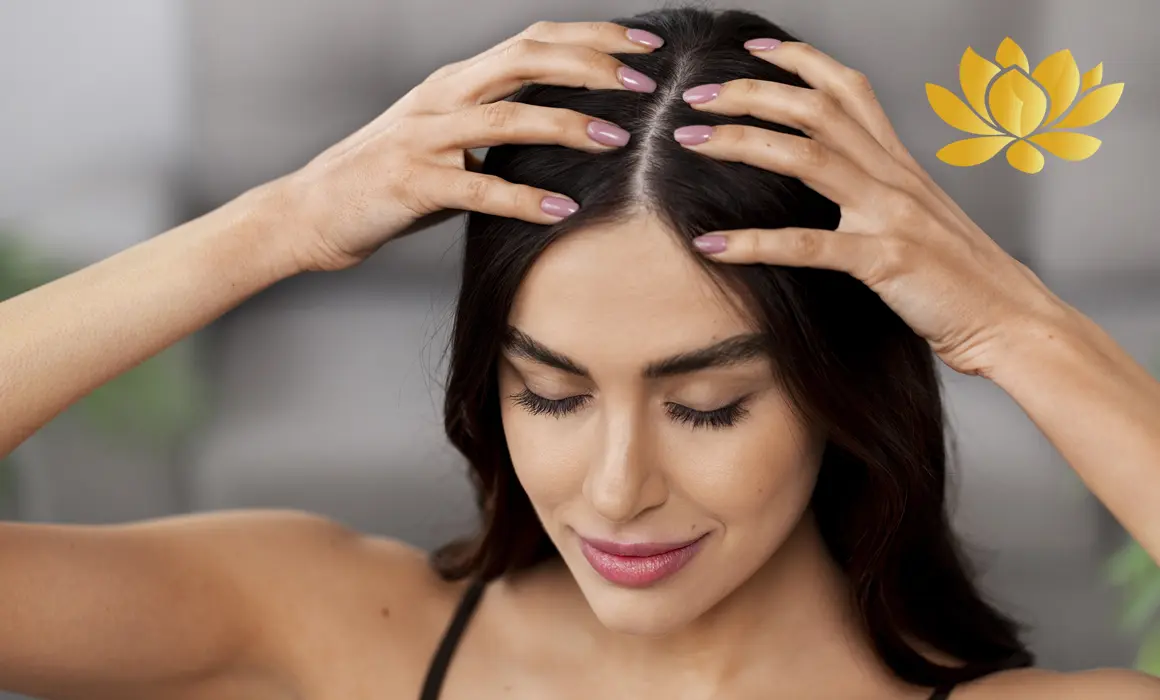
1. The 10-Minute Mind-Melt Scalp and Neck Release
Target Area: Scalp, neck, and upper shoulders (where stress manifests most acutely).
The Science: The base of your skull and neck is a crossroads for major tension points and nerve bundles. Tension here restricts blood flow and keeps your mind buzzing. Gentle pressure on the occipital ridge (the bumpy part at the back of your skull) and the suboccipital muscles (just below it) can trigger a profound “brain dump,” immediately easing mental overload.
The Ritual:
- Preparation (1 Minute): Find a quiet, dark room. Sit upright or recline comfortably in a chair. Apply a few drops of lavender or chamomile essential oil to your fingertips. These aromas are renowned for their anxiolytic (anxiety-reducing) properties.
- Scalp Awakening (3 Minutes): Place all ten fingers, spread wide, firmly onto your scalp. Using medium-to-firm pressure, slowly move your scalp in small, circular patterns. Don’t simply rub your hair; aim to move the skin over the bone. Start at the crown and work your way down the sides and back. This increases circulation and releases scalp tension.
- Occipital Sweep (4 Minutes): Use your thumbs to trace the hard, bony ridge at the base of your skull (the occiput). Find the two small depressions just where the bone meets the soft tissue of your neck. These are the suboccipital muscles. Apply sustained, gentle pressure here, tilting your head back slightly into your thumbs. Hold for 30 seconds. Slowly slide your thumbs outwards, tracing the ridge, until you hit the mastoid processes (the bone behind your ears). Repeat the slow, deep sweep 3-4 times.
- Sternal-Cleidomastoid (SCM) Release (2 Minutes): Gently tilt your head to the left. With your right hand, lightly pinch the large ropey muscle running diagonally from behind your ear to your collarbone (the SCM). Slowly and gently massage this muscle between your thumb and fingers. Repeat on the other side. This is crucial for releasing tension related to forward head posture.
2. The Restorative Foot & Ankle Soak and Rub

Target Area: Feet, ankles, and lower calves.
The Science: Our feet bear the load of the entire day. Reflexology suggests that pressing certain points in the feet corresponds to calming major organs. Furthermore, warming the feet naturally lowers the body’s core temperature (via vasodilation), a necessary physiological step for initiating sleep.
The Ritual:
- Warm Soak (5 Minutes): Fill a basin with water that is comfortably warm, not hot. Add a half-cup of Epsom salts, which contain magnesium—a mineral vital for muscle relaxation and nervous system regulation. Soak your feet for at least five minutes, focusing only on the warmth and the sensation of the water.
- Tension Mapping (2 Minutes): Remove your feet and dry them. Apply a rich, unscented lotion or magnesium balm. Spend a minute exploring your feet. Use your thumbs to press along the arch and the ball of the foot. Notice any particularly tender spots.
- Arch and Heel Kneading (5 Minutes): Use deep, kneading movements with your thumbs, pressing from the heel up toward the base of the toes. Focus extra attention on the center of the arch. Use your knuckles to “iron out” the sole of your foot.
- Toe Pulls and Ankle Circles (3 Minutes): Individually pull each toe gently but firmly, then give it a small wiggle. Finish by interlocking your fingers between your toes and slowly rotating your ankle 10 times clockwise and 10 times counter-clockwise. This enhances joint mobility and reduces foot cramping.
Pro Tip: This ritual, especially the warmth of the soak and the gentle pressure of the rub, is a wonderful practice for easing physical discomfort and promoting a sense of grounded tranquility. It provides a simple yet effective way to transition the focus from mental stress to sensory relaxation.
3. The 5-Minute Hand and Forearm De-Stresser
Target Area: Hands, wrists, and forearms (where digital strain accumulates).
The Science: We spend hours gripping phones, typing, or driving. The flexor muscles in our forearms remain chronically contracted. Releasing this tension is a critical step in signaling overall relaxation, as the hands are highly innervated and connected to the central nervous system.
The Ritual:
- Palmar Press (2 Minutes): Start with one hand. Use the thumb of your opposite hand to press deeply into the fleshy base of your palm, just below the thumb (the thenar eminence). Make small, firm circles. Then, work your thumb firmly along the lines of your palm.
- Web Space Squeeze (1 Minute): Use your opposite thumb and forefinger to gently squeeze and massage the skin in the web spaces between your fingers. This is surprisingly effective at releasing tension.
- Forearm Ironing (2 Minutes): Flip your hand over. Use the heel of your opposite hand or your knuckles to “iron” the forearm muscles. Start at the elbow and use long, slow, deep strokes toward the wrist, targeting both the top and bottom of the forearm. Repeat on the other hand.
4. Guided Breathwork with Abdominal Massage
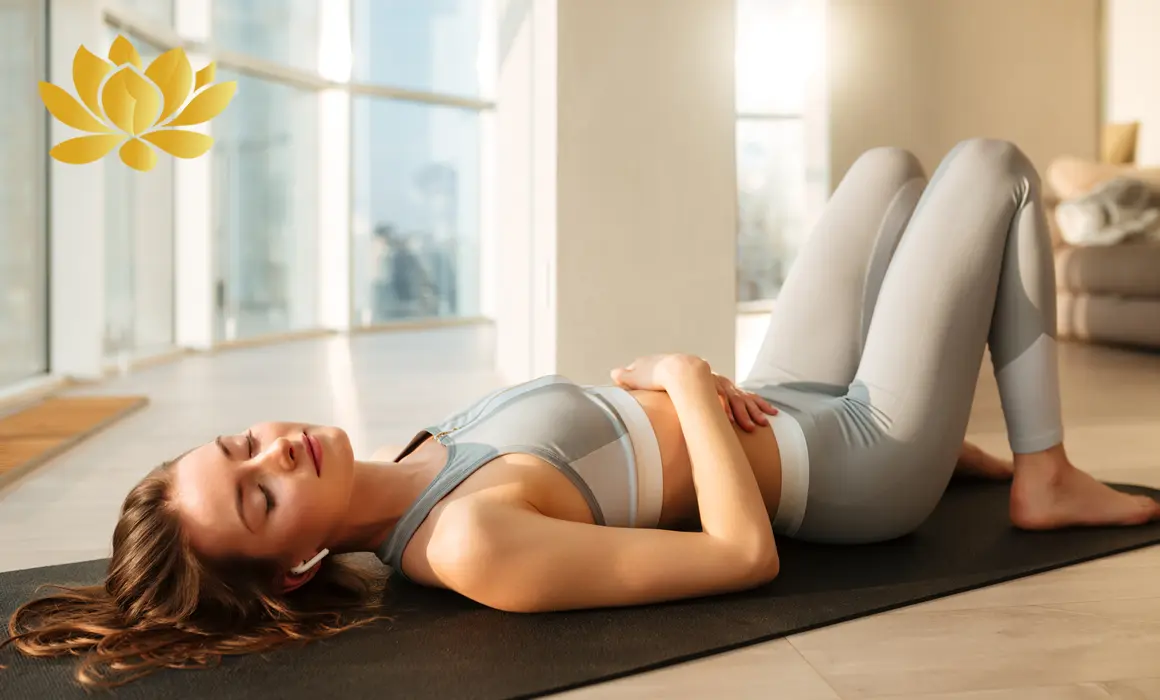
Target Area: Diaphragm, ribs, and abdomen.
The Science: Deep, diaphragmatic (belly) breathing is the fastest way to activate the vagus nerve, which runs through the abdomen. Light, circular self-massage on the belly enhances this process, aiding digestion and releasing emotional tension often stored in the gut.
The Ritual:
- Position and Warmth (1 Minute): Lie down flat on your back with your knees bent and feet flat on the floor (this relaxes the abdominal muscles). Rub your hands together briskly to generate warmth, then place them gently over your lower abdomen.
- Diaphragmatic Focus (4 Minutes): Begin a cycle of 4-7-8 breathing:
- Inhale deeply through your nose for a count of 4, feeling your belly rise (not your chest).
- Hold your breath gently for a count of 7.
- Exhale slowly through your mouth (like blowing through a straw) for a count of 8.
- Repeat this cycle 4-8 times.
- Gentle Circular Massage (5 Minutes): As you continue to breathe slowly, use your fingertips to apply light pressure and gently trace slow, clockwise circles around your navel. This follows the natural path of your digestive system, helping to soothe and calm the gut. Focus your attention entirely on the movement of your breath and the light touch of your hands. The combination of slow, controlled breathing and gentle touch signals safety and calm to your entire system.
5. The Dynamic Quad and Hamstring Flush
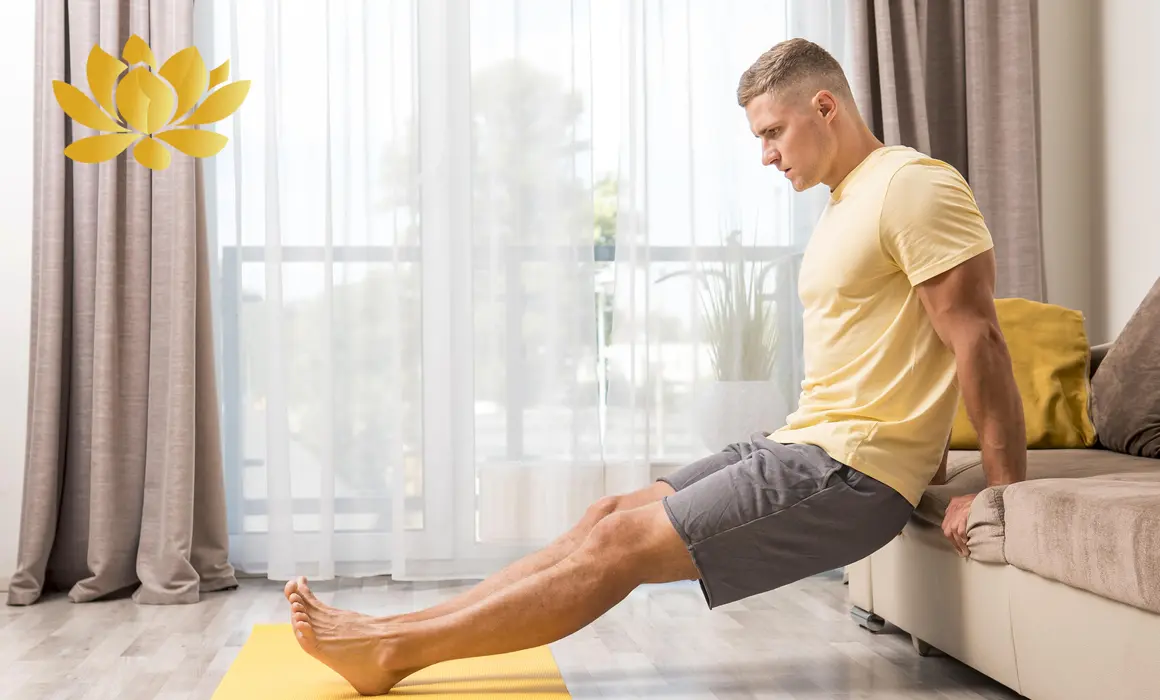
Target Area: Thighs, hips, and glutes (the body’s largest muscle groups).
The Science: Daily activity—sitting, standing, or exercising—causes micro-adhesions and stiffness in the large muscles of the lower body. Releasing the quads and hamstrings not only relieves physical ache but also reduces restless legs syndrome (RLS) symptoms, a common disruptor of sleep onset.
The Ritual:
- Preparation (1 Minute): Sit on the floor or the edge of your bed. Apply a muscle rub or plain lotion to your thighs.
- The Cupping Technique (4 Minutes): Form your hands into firm cups. Starting high on the thigh, use a rapid, alternating cupping/slapping motion, working your way down to the knee. The motion should be quick and light enough not to bruise, but firm enough to create a percussive effect. This stimulates blood flow to the muscle surface.
- Deep Kneading (6 Minutes): Use your knuckles or the heels of your hands for deep kneading. Focus on the quads first (the top of the thigh). Push deeply, finding the tense bands of muscle, and slowly drag your hands towards the center of your body. Spend extra time near the hip flexor area.
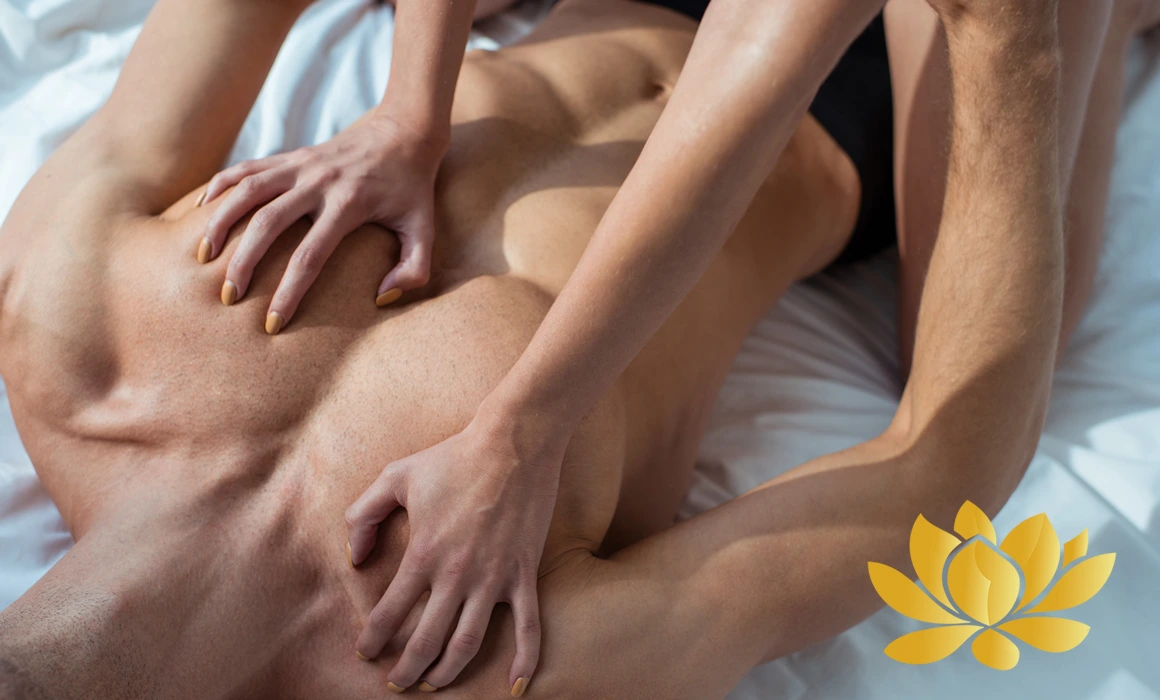
- Hamstring Release (5 Minutes): Turn your attention to the hamstrings (the back of the thigh). Use your thumbs to press deeply along the length of the hamstring from the knee up to the glutes. Hold sustained pressure on any particularly tight spots for 10-15 seconds. The deeper, sustained pressure of a targeted m2m massage (muscle-to-muscle or myofascial release) technique, whether self-administered or received from a professional, is essential here for truly unlocking these major supporting muscles.
Beyond the Rituals: Creating a Sanctuary
These five rituals offer powerful, practical steps toward better sleep. However, the efficacy of these evening practices is magnified when performed within a dedicated “sleep sanctuary.”
- Mindful Transition: The act of reserving 30-45 minutes before you get into bed solely for these calming activities—with all screens off—is as important as the massage itself. This non-negotiable downtime allows the hormones of stress (cortisol) to decrease and the hormone of sleep (melatonin) to rise naturally.
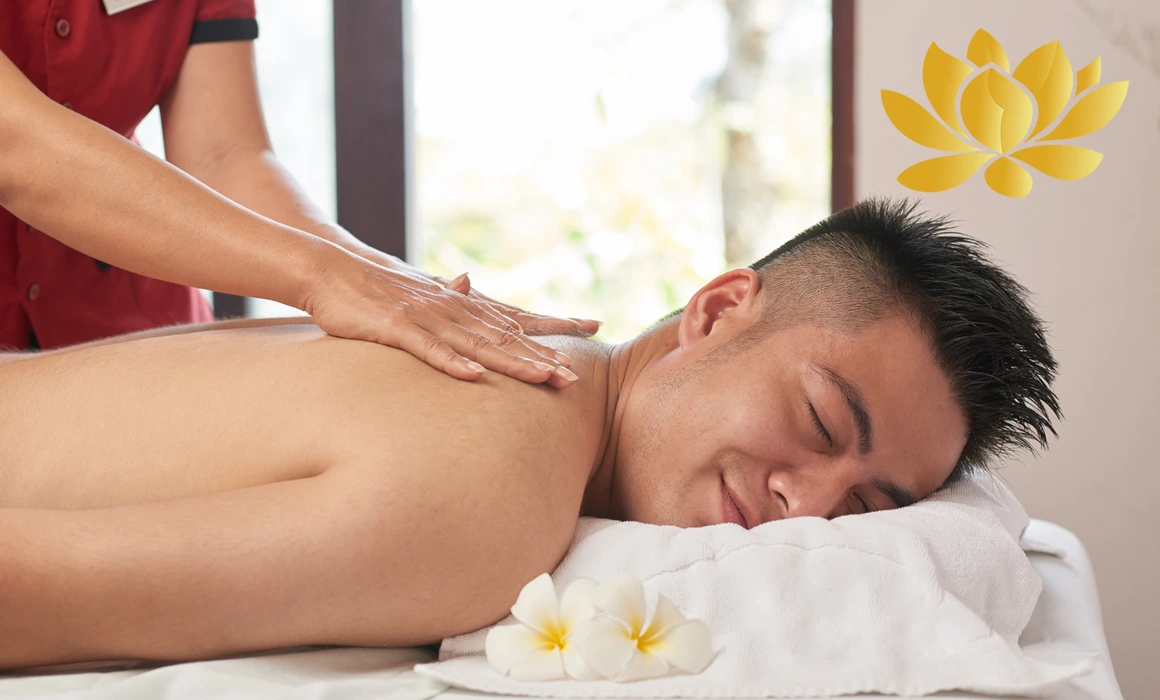
- Professional Care: While self-massage is excellent maintenance, incorporating regular professional therapeutic work, such as a focused deep-tissue or sports massage, can address chronic, deep-seated muscle issues that interfere with recovery. Many people in major cities seek out dedicated Pinay massage service providers, known for their focus on deep-tissue techniques and holistic care, as a routine part of their wellness and recovery planning. These scheduled sessions act as a reset button, allowing you to maintain the benefits with your daily self-care.
By committing to one or more of these deeply intentional evening rituals, you are not just getting ready for bed—you are investing in comprehensive physical and mental recovery. Tonight, choose your ritual, slow down, and allow the healing power of touch to usher you into the deep, restorative sleep you deserve.
Which ritual will you try first tonight to enhance your sleep and recovery?