













Massage Intake Forms and Privacy: What to Share and Ask
A massage intake form should help the provider understand relevant health precautions and your service preferences. Ask why information is requested, who can access it, and how it is used. Share what is necessary for appropriate screening while using a private channel for sensitive details.
Massage intake forms and privacy belong in the same conversation because a booking can involve contact information, payment details, addresses, and health questions. You do not need to choose between giving the therapist useful information and asking how the business protects it. A clear process can make both goals easier to achieve.
Separate booking information from treatment information
The booking team may need a name, contact number, appointment time, and service location. The practitioner may need relevant health information and preferences to decide whether the session is appropriate. These purposes are related, but they do not mean every staff member needs access to every detail.
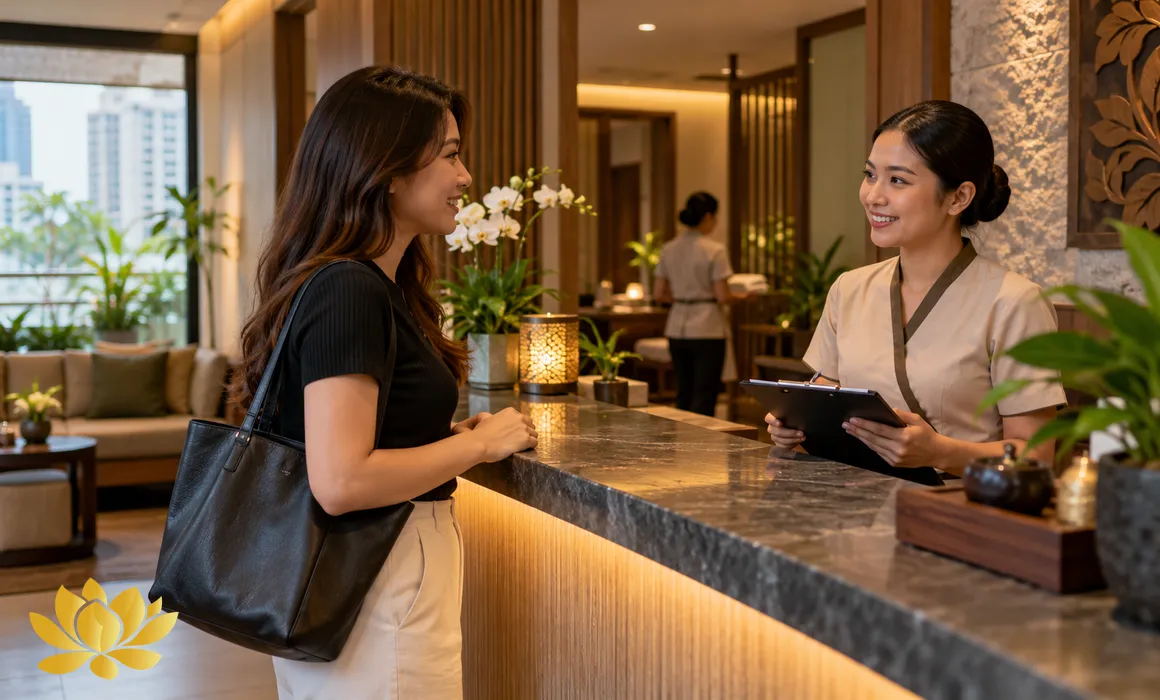
Ask where each conversation should happen. A reception counter may be suitable for confirming a time but unsuitable for explaining a private condition. A public comment or group chat is usually a poor place to send a detailed medical history or an address for a home visit.
Use Wellnessville’s official contact information to identify the booking channel. If someone redirects you elsewhere, verify who is handling the appointment and why. An official starting point helps reduce confusion, but you can still ask how the specific channel handles sensitive information.
Ask the purpose of an unfamiliar field
If a form asks for information you do not understand, ask how it relates to the service. A useful answer explains whether the field supports scheduling, screening, payment, or another purpose. Do not assume a field is necessary merely because it has a box on a form.
Likewise, do not leave out a health detail that could affect safe treatment just to complete the form quickly. Ask to discuss it privately or with the practitioner. If you cannot agree on an appropriate screening process, the sensible outcome may be postponing or declining the service.
You can request clarification in neutral language: “Could you explain why this detail is needed, whether it is required, and who will see it?” That question keeps the conversation practical. The answer may help you provide a narrower, more relevant description instead of sending a large document.
Give useful health information without a document dump
Tell the practitioner about relevant conditions, recent procedures, medicines, allergies, injuries, or restrictions that may affect the proposed massage. Describe the practical limits a healthcare professional has given you. A therapist should know when an area must be avoided or when medical advice is still needed.
A complete medical chart may include unrelated and highly personal information. Ask what the practitioner actually needs before sending records. If written clinical instructions are relevant, discuss the safest way to share the necessary portion rather than posting the whole record into an ordinary booking exchange.
Do not expect a massage therapist to interpret test results, diagnose a condition from a record, or change prescribed treatment. Screening supports an appropriate service decision. It does not transform a spa intake form into a clinical consultation or guarantee that massage is suitable.
Keep preferences accurate and current
Preferences such as pressure, areas to avoid, products, conversation, and positioning can affect the appointment. Explain which are essential and review them when a new therapist is assigned. A note from a previous visit may be useful, but it should not replace asking how you feel today.
If a record contains an error, request correction through the business’s process. Be specific about the information that is wrong and what should replace it. A mistaken allergy entry or an outdated instruction can create confusion, so raise it before treatment begins.
The Philippine National Privacy Commission’s guide to data-subject rights provides official information about matters such as being informed, access, and rectification. Consult the Commission for the applicable rights and procedures rather than relying on a spa article for individual legal advice.
Ask who handles the appointment record
Find out whether the record is kept by the spa, an independent practitioner, a booking platform, or more than one party. A directory listing and a directly employed therapist may involve different arrangements. Ask who is responsible for responding if you need a correction or have a privacy concern.
This is particularly relevant when moving from a website inquiry to a practitioner’s personal messaging account. Clarify whether you are continuing with the same business or making a separate arrangement. Do not assume that every person shown in a directory uses the same recordkeeping process.
Wellnessville’s freelance therapist information illustrates why the relationship should be clear. Confirm the status of your actual provider, where payment goes, and who retains the intake information for the appointment you are considering.
Distinguish service messages from marketing
A confirmation, a delay notice, and a question about the current appointment serve a practical purpose. Promotional offers and unrelated follow-up messages are a different category. Ask how the business records communication preferences and how you can change them.
Read optional boxes before selecting them. If a form combines several permissions in one statement, ask for an explanation. You may want appointment reminders while preferring not to receive promotional messages. Do not assume the business’s settings will infer that distinction without a request.
Keep the conversation focused on the actual process rather than trying to settle every possible legal question during reception. A clear privacy contact or written notice can help you explore the details separately. Avoid accepting vague reassurance when a specific explanation is available.
Protect home and hotel location details
An outcall appointment may require a full address, room access arrangements, and a contact number. Share those details only with the verified provider through the agreed channel. Confirm who will receive them and how the assigned practitioner will identify themselves on arrival.
Avoid putting access codes or detailed room information into a message visible to a larger group. If the venue needs a visitor registration, ask what information it requires and who submits it. The provider’s intake process and the building’s access process may be separate.
For general planning, the home massage preparation guide discusses location and setup. Add privacy questions that reflect your circumstances rather than assuming a home appointment automatically gives you more control over every record.
Ask about retention and future access
Before sharing sensitive information, ask how long records are kept, what purposes justify retention, and whom to contact about access or correction. The answer should relate to the business’s actual practices. Avoid assuming that deleting a message from your own phone removes every copy held elsewhere.
If you request deletion or another action, ask the business to explain the applicable process and any limits. Requirements can depend on the information, purpose, and law. Use official guidance or qualified advice when you need a determination of your rights in a specific situation.
Keep your own request concise and retain the acknowledgment. You do not need to repeat the sensitive content in every follow-up message. A reference to the appointment and the kind of record may be enough for the business to identify the request privately.
Clarify information sharing when someone else pays
A payer may need a receipt or confirmation that a service was purchased. That does not explain what personal consultation information, if any, will be shared. Ask the provider to describe the arrangement before accepting a gift or employer-funded visit. Keeping the billing conversation distinct from health screening can prevent assumptions on all sides.
Use a short privacy conversation before treatment
Try: “I want to share the health restrictions relevant to this session privately with the practitioner. Please tell me where they will be recorded, who can access them, and which contact handles corrections or privacy questions. I would also like my service-message and promotional preferences recorded separately.”
If the process remains unclear, pause before providing more information or proceeding with treatment. Good intake planning supports both informed service choices and appropriate privacy. The aim is accurate, relevant information in the right hands, with a clear route for questions when your circumstances or preferences change.
Frequently Asked Questions
Ask the provider which details it needs for identification, payment, building access, and receipts. A nickname may be suitable for some communication, but do not assume it replaces information required for a particular transaction.
Yes, communicate that preference before any photographs are taken. Ask how the business records photo and social-media permissions. Booking a treatment should not be treated as your personal request to appear in marketing.
Avoid posting an unredacted confirmation. It may expose phone numbers, addresses, reference codes, or payment details. Describe the service experience in words and keep transaction documents for private follow-up when needed.